
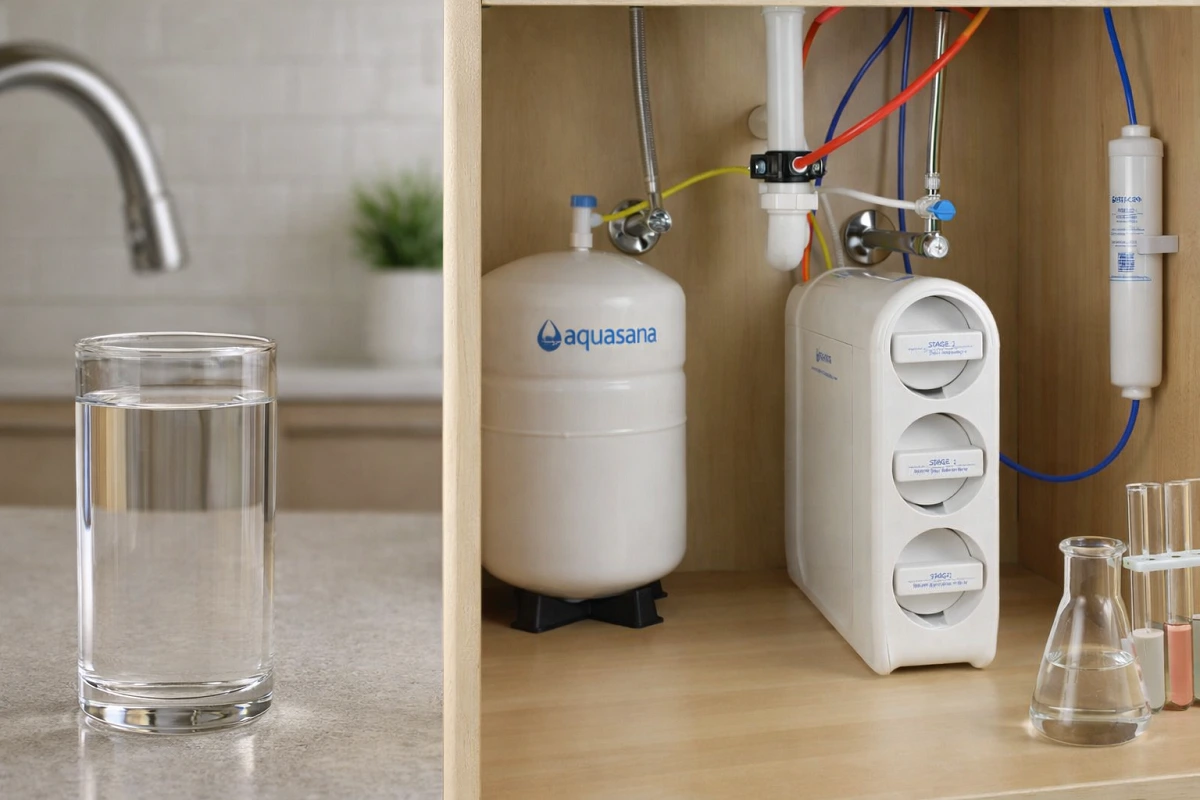

If you live in rural Berks County or rely on a private well in the surrounding Pennsylvania region, you have likely heard growing concerns about PFAS in drinking water. Many families using private wells are worried. The question comes up again and again: can your current filtration system really protect your health?
Here’s the straight answer. Yes, reverse osmosis PFAS filtration is one of the most reliable solutions available today. But the real answer depends on how the system is installed, maintained and matched to your water conditions.
What Is Happening in Local Water Sources?
Across Pennsylvania, testing has confirmed PFAS in private well water sources, particularly in rural areas where homes are not connected to regulated municipal systems. According to PFAS occurrence findings from Penn State Extension, these chemicals enter groundwater through industrial waste, firefighting foam and landfill seepage.
These are often called “forever chemicals” because they do not break down easily. In rural parts of Berks, Lebanon and Lancaster counties, many homes depend entirely on private wells. That means contamination can go unnoticed for years with no testing and no warning.
We’ve seen it firsthand, families on private wells who had no idea their water was contaminated until they got it tested.
Why PFAS Is a Serious Health Concern
The health research is serious and consistent. Research published in the NIH National Library of Medicine on PFAS contaminated water and cancer risk has consistently shown links between PFAS exposure and thyroid issues, immune system suppression and certain cancers.
Long term exposure to PFAS increases health risk even at low levels. For families on private wells across Eastern Pennsylvania, this is not just data. It is a real and present concern. Many households unknowingly consume contaminated water daily without any visible signs.
Does Reverse Osmosis Actually Work?
This is where clarity matters. Does reverse osmosis filter out PFAS effectively when properly configured? The short answer is yes.
Reverse osmosis works by forcing water through a semi-permeable membrane. This membrane blocks contaminants, including PFAS molecules. Research shows that reverse osmosis PFAS removal can eliminate up to 90 to 99 percent of these chemicals.
But here is the catch. Not all systems perform equally. Cheap or poorly installed units may fail. Without proper pressure, membrane quality, and pre-filtration, even a system claiming reverse osmosis PFAS removal may not deliver results.
A Real Example From a Private Well Homeowner
We’ve seen homeowners install budget filters purchased online, assuming they’d handle PFAS. After follow-up testing, contamination levels were still high.
Later, a professionally handled reverse osmosis installation for PFAS was added. The difference was clear; follow-up tests showed a significant reduction, proving that real PFAS protection depends on proper setup and expert installation.
Why Professional Installation Matters
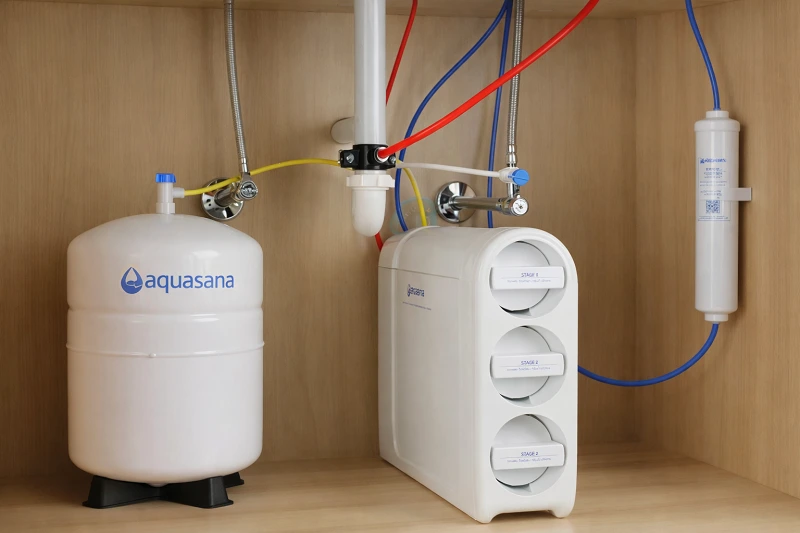
Water chemistry varies from one property to the next, even within the same county. That means each home needs a system built around its actual water conditions. A generic system cannot guarantee reverse osmosis PFAS removal.
And this is where most homeowners make a costly mistake. They assume any filter will work. It won’t. It must include:
- Water testing before installation
- Correct membrane selection
- Multi-stage filtration setup
- Regular maintenance checks
The Most Important First Step is to Test Your Water
Before installing anything, you must know your water condition. Many homeowners skip this step entirely.
Getting your well water tested by a certified lab is the only way to know exactly what you are dealing with. Certified labs can detect even trace levels of PFAS. This gives you a clear starting point before spending anything on equipment.
Skipping the test is one of the most common mistakes we see. Homeowners invest in a system only to find out later it wasn’t sized or configured for their actual contamination level.
Knowing your PFAS levels before installation helps avoid wasted money and ensures the right filtration is in place.
How Reverse Osmosis Handles PFAS
PFAS molecules are very small. Standard filters cannot remove them.
Reverse osmosis systems use pressure and membranes that block these particles at a molecular level. That is why the answer to “Does reverse osmosis filter out PFAS?” is consistently yes when the system is properly selected and installed.
Still, system maintenance is not optional. Membranes degrade over time. Without regular servicing, efficiency drops and your protection weakens. That is why scheduled reverse osmosis service is an essential part of keeping your water safe.
How to Choose the Right System and What Ignoring This Problem Will Cost You

Think of it like choosing a water heater: size and capacity have to match what your home actually needs. Water filtration works the same way. Your system must match your contamination levels, water pressure and household usage.
Some homeowners delay action and rely on bottled water or basic pitcher filters. But PFAS exposure builds over time. Ignoring early contamination signs can lead to serious health consequences. According to peer reviewed research on PFAS health effects and mitigation strategies, long term low level exposure carries measurable risk that accumulates gradually.
Contaminated water can also affect your property value. Buyers today request water quality reports and failing results can complicate a sale.
Why Local Expertise Makes a Difference
National solutions often miss local nuances. Water conditions in rural Berks, Lebanon and Lancaster counties are unique to each property and each well depth.
Berks Plumbing and HVAC Specialist understands these local patterns. We know where PFAS risks are highest in Eastern Pennsylvania. We know which systems perform best for private well conditions in this region. That is why choosing a reliable local reverse osmosis service provider matters more than picking a national brand online.
We do it right:
- Test first
- Choose the right system
- Ensure expert installation
- Maintain regularly
Act Before Contaminated Water Affects Your Family
If you are reading this, do not wait. PFAS contamination has no smell, no color and no taste. You will not know it is there without testing.
Homeowners across Berks, Lebanon and Lancaster counties are already taking action. Many who delayed are now dealing with higher remediation costs and health concerns they wish they had addressed sooner.
Here is what you should do right now:
- Book a professional water test for your well
- Get a clear PFAS contamination report
- Install a properly designed filtration system
Schedule ongoing maintenance to keep your water safe
Berks Plumbing and HVAC Specialist serves homeowners across Berks, Lebanon, Lancaster, Montgomery, Chester and Bucks Counties, PA. We don’t offer generic solutions. Call us today to schedule your water test; we’ll help you find the right solution for your home.