

If you are on a private well in Berks, Schuylkill or surrounding counties in Pennsylvania, PFAS contamination is no longer a distant environmental concern. It is showing up in groundwater across the state and private well owners carry the full responsibility for their own water safety.
Over the last few years, groundwater testing across Pennsylvania has confirmed rising PFAS contamination levels, as documented in a 2025 Penn State Extension study on PFAS in Pennsylvania groundwater. This is especially relevant near industrial zones, old landfills and areas historically used for firefighting training. The reality is straightforward: if you rely on a private well, no government agency is monitoring your water for you.
Here is what you need to know: what PFAS are, how to test your water the right way and what it actually takes to protect your home and family.
What Is PFAS in Drinking Water and Why Does It Matter
Before asking whether you need whole house water filtration or any other treatment, you need to understand what PFAS actually are and why they behave differently from other contaminants.
PFAS or per-and polyfluoroalkyl substances are man-made chemicals that have been used for decades in nonstick cookware, waterproof fabrics and firefighting foam. The core problem is that they do not break down in the environment. They accumulate in soil and groundwater over time and stay there.
In Pennsylvania, state level assessments have detected PFAS in groundwater across multiple counties including areas throughout Berks and Schuylkill. According to NIH-published research on PFAS and cancer risk in Pennsylvania, long term exposure has been linked to:
- Increased cholesterol levels
- Thyroid dysfunction
- Reduced immune response
- Higher risk of certain cancers
You will not taste it, smell it or see it. That is what makes it so dangerous for families who assume their water is fine.
Why Your Private Well Is at Greater Risk Than City Water
Municipal water systems are regulated and monitored. Private wells are not. There are no mandatory tests, no automatic alerts and no treatment unless you take action yourself. The assumption that clear water means clean water is one of the most common and costly mistakes well owners make.
In rural and semirural parts of Berks and Schuylkill counties, many homes sit on older groundwater systems where contamination pathways have never been properly mapped. Even homes with water softeners and conditioning equipment in place are not protected; those systems are not designed to remove PFAS.
Your risk is already above average if your property is
- Within 5 to 10 miles of industrial zones or manufacturing facilities
- Near agricultural land where treated biosolid sludge has been applied
- Close to historic waste disposal or firefighting training sites
If any of these apply to your property, waiting is not a safe option.
How to Test for PFAS in Well Water the Right Way
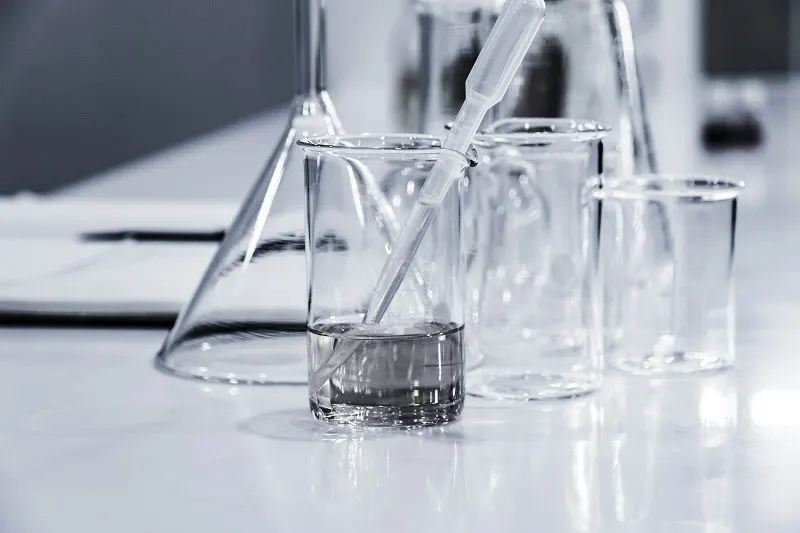
If you are serious about your family’s safety, you need to know how to test for PFAS in well water and understand that not all tests are equal.
Here is what actually produces accurate, usable results:
- Certified lab testing using EPA Method 537.1 or Method 533
- Proper sample collection without plastic contamination interference
- Professional interpretation of your results against current regulatory thresholds
DIY kits frequently miss low-level contamination and with PFAS, even trace amounts matter over time. Most homeowners in Berks County who get a proper certified test are genuinely surprised. Many discover contamination levels above recommended thresholds without ever noticing any change in how their water tastes or smells.
This is exactly why learning how to test for PFAS in well water correctly is not optional, it is your starting point for everything that follows.
Our well water services in Berks County include guided certified lab testing so you get results you can actually act on.
What Are Safe Levels of PFAS in Drinking Water
This is where many homeowners get confused and the answer has been changing as science improves.
The EPA has been tightening its PFAS guidelines because earlier limits were set before the full health picture was understood. Today, safe levels of PFAS in drinking water are measured in parts per trillion which is an extremely small unit but long term exposure at those levels still carries measurable health risk.
Current EPA guidance points toward near zero exposure as the goal with certain PFAS compounds having a reference limit of 4 parts per trillion. What was considered acceptable five years ago may no longer meet today’s standards.
This means when you evaluate your water test report, do not just look for a pass or fail label. You need to understand safe levels of PFAS in drinking water in the current regulatory context not against benchmarks that have since been updated. Our professional water treatment services team walks you through your report in plain language so you know exactly where you stand.
Why Homes in Berks and Schuylkill Counties Need to Act Faster
Local geography creates specific risks that national articles rarely address directly.
Berks and Schuylkill counties share a combination of factors that makes private well owners here particularly vulnerable:
- A mixed industrial history with legacy contamination sources still present
- Dense concentrations of residential private wells with limited centralized monitoring
- Groundwater systems that have not been comprehensively mapped for contamination pathways
Homeowners here are often the last to find out their water has been contaminated and by the time it is discovered, it has typically been present for years. Understanding how to avoid PFAS starts with recognizing that your local context carries real, documented risk.
When Testing Alone Is Not Enough
A water test tells you the problem. It does not solve it.
Once contamination is confirmed, you need a treatment system that is specifically designed to remove PFAS not just improve taste or soften water. The most effective options are:
- Reverse osmosis – Removes up to 99 percent of PFAS when properly installed. See our Reverse Osmosis Installation for PFAS service for details
- Granular activated carbon filters – Effective for certain PFAS compounds at adequate contact time
- Ion exchange systems – Strong performance for short-chain PFAS that carbon may miss
Installation quality matters as much as equipment selection. A poorly configured system wastes your investment and leaves gaps in your protection. This is where most homeowners go wrong, they either choose the wrong system type or install it without a proper baseline water assessment first.
The Real Cost of Ignoring PFAS Contamination

Testing your well water may cost a few hundred dollars. A quality treatment system ranges from $800 to $3,000 depending on your setup and contamination levels. Now compare that against:
- Long term medical costs from chronic health conditions linked to PFAS exposure
- Property value impact when contamination is discovered during a home sale
- Emergency system replacements after years of inadequate filtration
Prevention is almost always the less expensive path and the only one that protects your family’s health at the same time.
What a Proper Local Water Safety Evaluation Includes
If you are serious about protecting your home, testing and expert evaluation need to happen together, not separately.
A local specialist who understands Berks and Schuylkill County groundwater conditions gives you something a national service cannot: context specific to your property, your well depth and your contamination risk profile.
Here is what a complete local water safety evaluation from Berks Plumbing and HVAC Specialist includes:
- On-site well water risk assessment and well pump repair and inspection if needed
- Guidance on certified lab testing for PFAS using EPA-approved methods
- Plain-language breakdown of your results against current safe levels of PFAS in drinking water
- Recommendation of only the systems that actually target and remove PFAS
- Reverse Osmosis Installation for PFAS or other certified treatment, professionally installed with no trial-and-error setup
- Guidance on whether you need to replace an aging well pump as part of your overall water system health
No upselling. No generic recommendations. Just a clear, honest plan built around what your water actually shows.
Book Your Well Water Safety Check Today
If you are on a private well anywhere across Berks, Schuylkill, Lebanon or Lancaster counties, this is the moment to act.
Here is the four step process we take every homeowner through:
- Assess what PFAS in drinking water means for your specific property and groundwater source
- Test your well water correctly using certified lab methods
- Compare your results against current safe levels of PFAS in drinking water
- Build a real, system-specific plan for how to avoid PFAS exposure going forward
Clean water should never be a question in your own home. Call Berks Plumbing and HVAC Specialist today to schedule your well water safety evaluation. We serve homeowners across Berks, Schuylkill, Lebanon, Lancaster, Montgomery, Chester and Bucks County and we are ready to help you get clarity and take action.