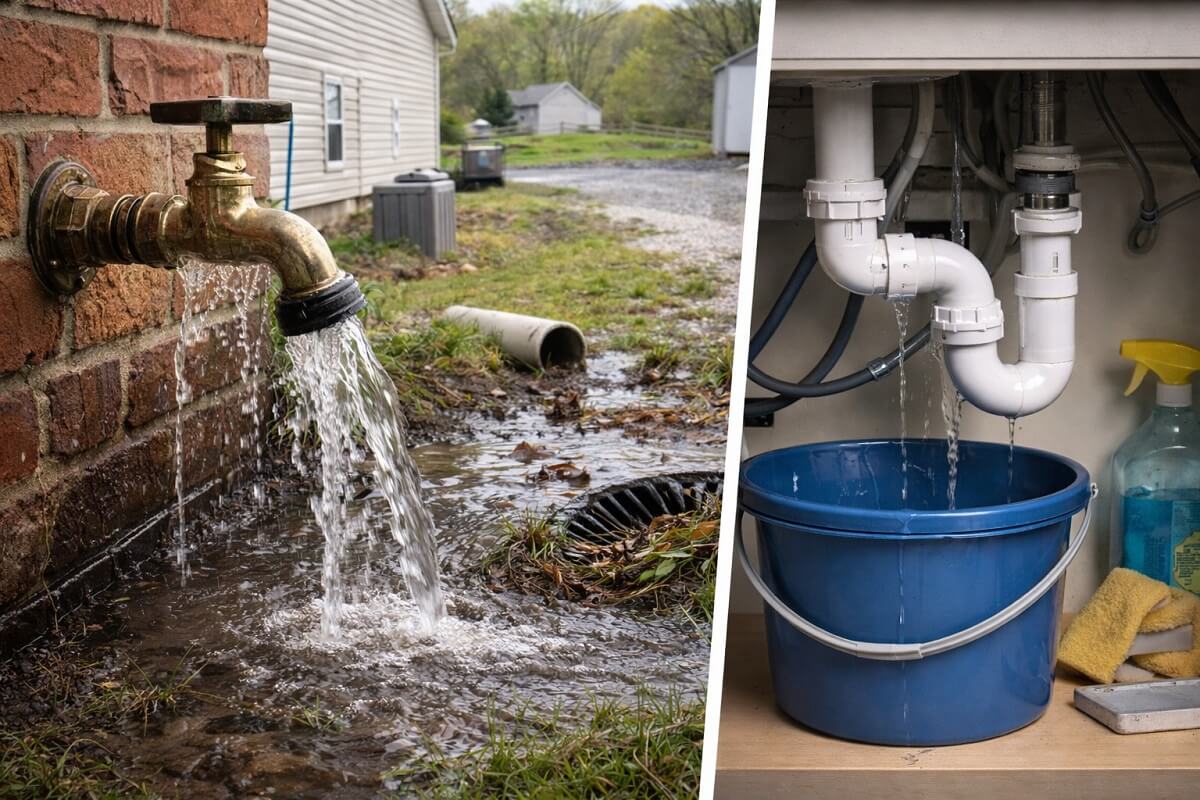

Although the spring season is often considered the perfect time for a reset, rural homeowners begin to face hidden plumbing issues that never surfaced before or showed warning signs. As the winter frost releases its grip, the thawing soil often shifts the underground pipes. Heavy moisture from the melting snow and seasonal rain adds more pressure to the already stressed systems.
Unlike urban households, homes in rural and semi-rural parts of Pennsylvania rely heavily on private wells, longer pipe runs, and septic systems. These components react very differently to spring weather conditions. The real challenge is that many spring plumbing issues don’t show early warning signs, leaving homeowners utterly worried and stressed. That being said, we have prepared a guide to explain why these specific households in Pennsylvania are so prone to plumbing issues.
How Rural and Semi-Rural Plumbing Systems Differ?
To understand the differences in the plumbing problems in rural homes and semi-rural ones, first, let’s look at how these systems differ from those in urban households. Some of the key structural differences observed are
- The longer lengths of underground pipe runs expose them to shifting ground conditions and freeze-thaw stress factors.
- Older plumbing materials like clay lines and galvanized steel become less flexible to contraction and expansion with time.
- Heavy reliance on septic systems and well water causes the household structures to respond differently to excess moisture and soil saturation.
- Reduced insulation and deeper burial depths leave the water pipes vulnerable to soil expansion and sudden temperature swings.
The Impact of Freeze-Thaw Cycles on Underground Pipes
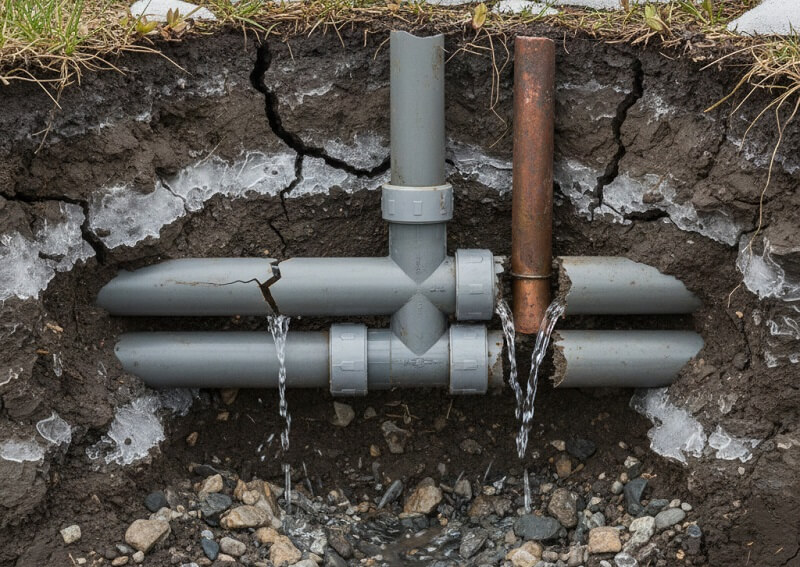
The freeze-thaw cycle during the spring season is indeed the most common cause of plumbing problems after winter in rural and semi-rural households. As winter temperatures fluctuate, moisture in the soil repeatedly freezes and thaws, causing the ground to expand and contract every day. This constant movement eventually puts a lot of pressure on the buried plumbing systems that were never initially designed for this level of seasonal motion. Below are the most common forms of damage observed in the water pipes due to the freeze-thaw cycle.
- Soil expansion and contraction shift the pipe bedding, thereby removing the stable support underneath.
- Pipes can form cracks or move away from the joints at weaker places, particularly when made from older or rigid materials lacking flexibility.
- Joints loosening over time allow small leaks to form underground, the immediate effects of which never surface.
Once spring arrives, these stressed portions finally start revealing the damage. That’s why early-season plumbing inspection services are critical for rural and semi-rural households in Pennsylvania.
Why Spring Snowmelt and Heavy Rain Make Things Worse
Spring moisture doesn’t just expose the plumbing systems to winter damage—it intensifies damage that already exists. Sustained rainfall and melting snow cause soil saturation. It adds additional weight and pressure on the already weakened underground pipes. To help you better understand the spring plumbing issues, here are some environmental factors that trigger this cycle.
- Saturated soil pressing against the water pipes increases stress on cracks, misalignments, and loosened joints.
- Water infiltration into damaged lines allows groundwater to seep into drain or supply pipes through the fractures formed during the winter.
- Drainage overload in older systems prevents the excess moisture from escaping, thereby raising the failure risks.
What begins as mere hidden cold-weather stress often becomes visible plumbing problems after winter.
Unique Challenges With Well Water and Septic Systems
Septic systems and well water have varied responses to seasonal changes, which further turns early spring into a high-risk period for the rural homes. Once the winter dormancy is over, these systems get exposed to thawing soil, excess moisture, and a sudden increase in usage. Hence, the components that were seldom active during the winter experience a huge strain. Some of the key rural area-specific challenges are:
- Waterlogged soil often leads to septic field saturation. It prevents further absorption, thereby increasing the risks of surface pooling, backups, and slow indoor drains.
- Spring rain and melting snow wash sand, soil, and minerals into the well systems, causing sediment buildup from the runoff. It often reduces water clarity and accelerates the wear on pumps, filters, and appliances.
- After winter dormancy, pump and pressure issues start to surface.
With routine plumbing maintenance, however, these systems can be stabilized, and the developing issues, which otherwise remain hidden, can be detected beforehand.
Warning Signs Homeowners Should Not Ignore in Early Spring
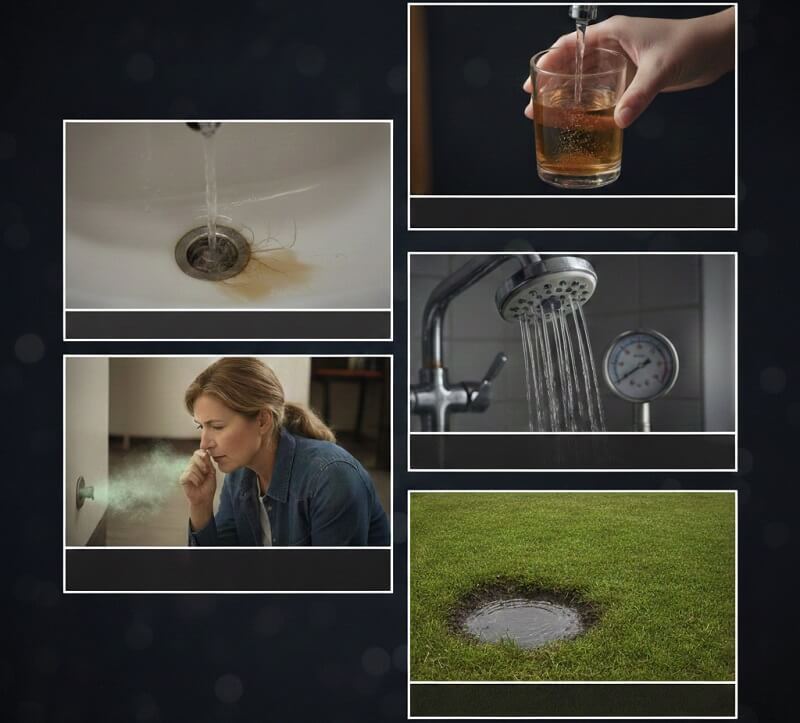
Whether it’s the frozen pipes thawing or the loosening joints, most plumbing issues start with easy-to-miss, small symptoms during the spring season. That’s why homeowners should look out for the warning signs indicating the presence of hidden issues on the verge of escalating into system-wide failures.
- Slow drains signal septic field saturation or partially misaligned drain lines.
- Discolored water means sediment intrusion, disturbed mineral buildup, and corrosion loosening during the thawing period.
- Unusual odors, indoor or outdoor, point to venting issues, septic stress, and leaking drain pipes.
- Sudden drops in water pressure are frequently tied to pump strain, underground leaks, or shifting supply lines.
- Soggy or soft ground near pipe paths is a strong indicator of hidden leaks slowly releasing water below the surface.
Why Are Many Spring Plumbing Issues Not DIY Friendly?
Key reasons why plumbing problems in rural homes are not DIY-friendly are as follows:
- Cracks, separations, and misalignments usually occur below grade and cannot be accurately assessed from the indoors.
- Improper thawing, digging, or temporary fixes often increase the water flow into already weakened areas.
- Camera inspections, pressure testing, and leak detection equipment are designed to detect issues in longer pipe runs.
Preventive Steps Rural Homeowners Can Take Before Problems Escalate
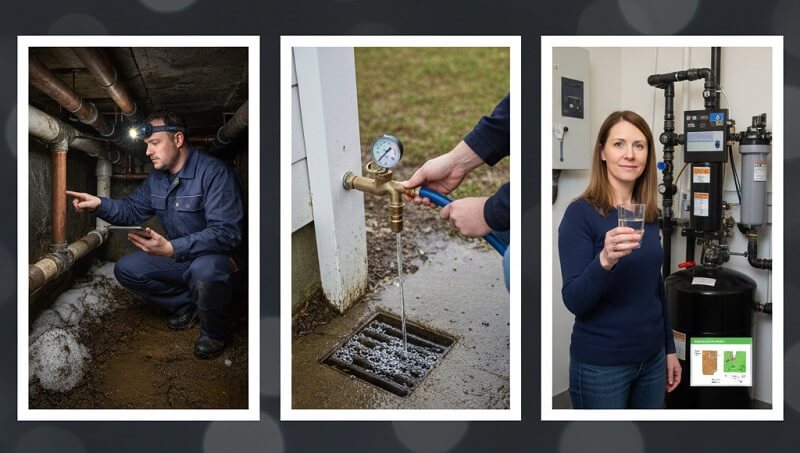
Early spring is indeed the best window to invest in preventive plumbing maintenance. Here’s what homeowners should do.
- Seasonal plumbing inspections to identify winter-related stress before pressure drops or leaks surface.
- Drain and pressure testing to help confirm pumps, pipes, and septic lines are functioning within the safe limits.
- Monitoring well and septic performance to pinpoint changes in water clarity, pressure consistency, and drain behavior.
Staying Ahead of Spring Plumbing Problems
Heavy moisture, thawing ground, and soil movement place added stress on the already weakened plumbing systems in rural and semi-rural houses in Pennsylvania. As these plumbing systems are more exposed, even the smallest issues can escalate into bigger ones once spring sets in. Early intervention and proactive maintenance help homeowners avoid unexpected water loss, costly excavations, and contamination risks.