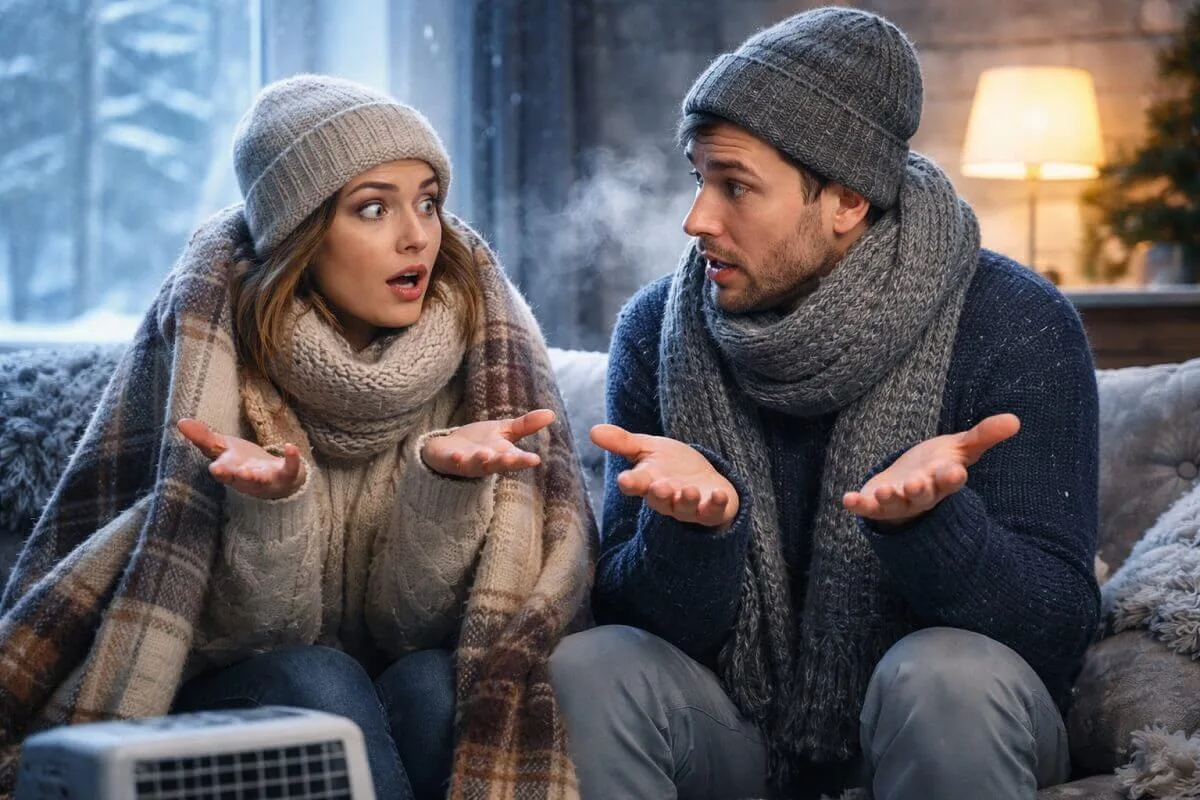

Winter nights in Pottstown and nearby Montgomery County communities can drop well below freezing, especially during January and February cold snaps. During these temperature dips, we commonly see emergency furnace shutdowns caused by overworked heating systems, airflow restrictions, or frozen condensate lines. When a furnace stops running overnight, the indoor temperature can drop quickly, increasing the risk of pipe freezing and property damage if not addressed promptly.
Not only will it bring discomfort, but it will also trigger panic among homeowners. The issue is often related to internal safety controls, airflow restrictions, or electrical components. Rather, it could lie deep within the system’s architecture. That’s why understanding the true cause of the home furnace not working and adopting a calming approach can help find the best solution.
Why Furnaces Commonly Stop Working During Cold Nights in Pottstown?
Extremely cold nights in Pottstown put the furnaces under duress, causing them to overwork more than the rated operational threshold. As the mercury levels fall after sundown, heating systems need to work harder to maintain a warm temperature indoors. Hence, homeowners often experience sudden furnace problems in cold weather. Here’s why!
- Sharp temperature drops during the nighttime force the furnace to cycle continuously. This continuous operation pushes internal mechanical and electrical components to operate beyond the safe limit.
- Several Pottstown properties heavily rely on older ductwork systems and furnaces. These are often outdated and not efficient in handling the temperature fluctuations properly, leading to sudden shutdown risks.
- Nonstop operation overheats the igniters, motors, and limit switches. This amplifies the risks of the furnace not working during winter nights in Pottstown.
- Winter storms can cause brief electrical disruptions. This can trip the safety controls or shut down the furnace system completely.
Recent Winter Furnace Issues We’ve Seen in Pottstown
During recent cold waves in Pottstown, several homeowners experienced furnace shutdowns due to clogged filters and frozen high-efficiency condensate lines. In one case, an aging gas furnace stopped cycling after the safety limit switch detected overheating caused by restricted airflow. Situations like these are common during extended overnight cold periods when heating systems operate continuously for several hours.
Immediate Safety Steps To Take When Your Furnace Stops Working
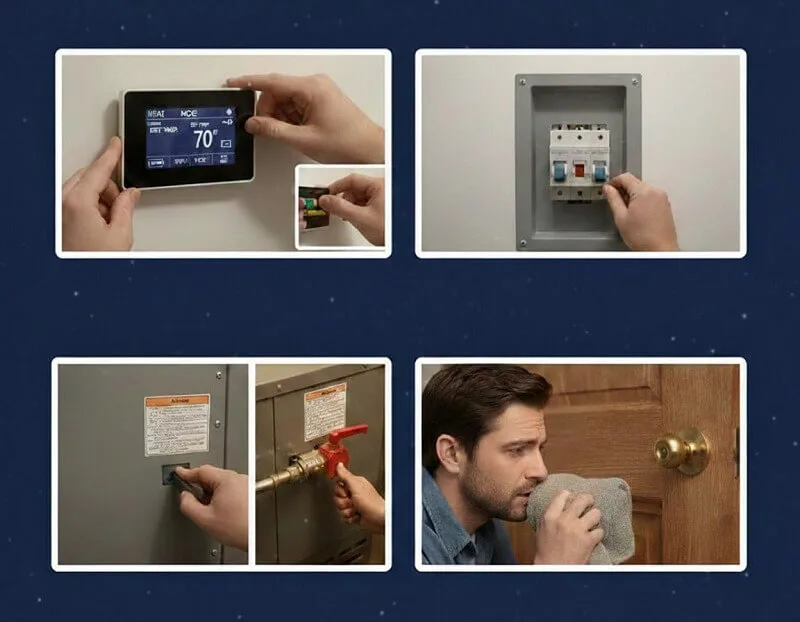
If your furnace stops running overnight, begin with basic safety checks before attempting any adjustments. Prompt, safe actions will matter the most in such situations in order to protect the house, maintain warmth, and take appropriate actions. Here’s what to do.
- First, the thermostat settings should be checked. It should be set to “heat” so that the temperature remains higher than the current room temperature. Also, homeowners should check that the batteries are functioning normally and the programmable schedules weren’t somehow changed overnight.
- Sometimes, winter power surges can trip off the safety switch or cause electrical disruptions. Checking for tripped breakers or blown fuses can help identify whether an electrical issue caused the furnace to shut down.
- Homeowners should inspect if the gas valve near the furnace is fully open. If any gas odor is present, it signals a serious safety issue, which will require immediate emergency furnace services.
- To retain the heat inside, doors should be closed, and drafts need to be blocked. This will limit heat loss and preserve warmth indoors.
Even after these, if the furnace doesn’t start working again, it’s better to seek prompt emergency furnace repair services.
Common Reasons Your Furnace Is Not Turning On
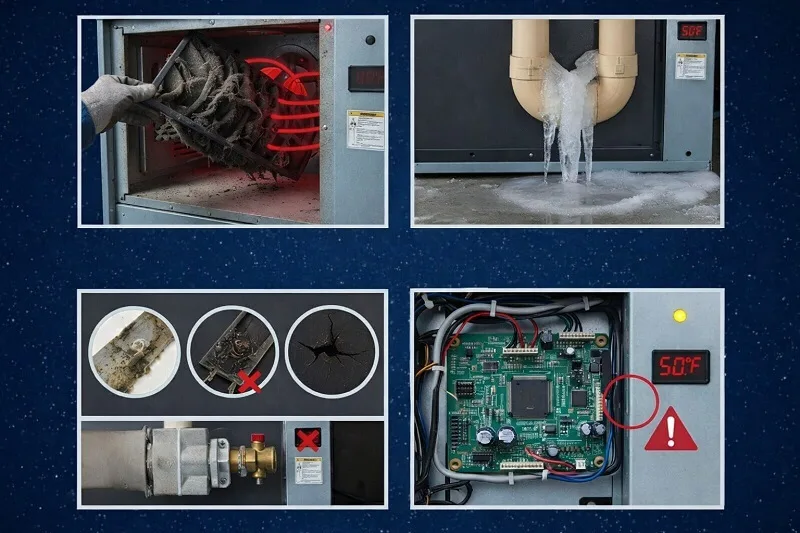
Sometimes, the preliminary inspections and actions fail to restart the furnace that has suddenly stopped working on a winter night in Pottstown. Hence, homeowners need to be aware of some common furnace problems in cold winters that go deep down.
- Restricted airflow from dirty or clogged filters causes the internal components to get overheated, forcing safety shutoffs. This will prevent the furnace from restarting to avoid any further damage.
- In high-efficiency furnaces, freezing temperatures can block condensate drains. The safety switches will be triggered automatically, thereby shutting down the system completely.
- Dirty sensors, worn-out igniters, and extinguished pilot lights often stop burners from firing, thereby leaving the furnace cold and non-functional despite power availability.
- Aging limit switches can falsely detect overheating, cutting power to protect the furnace even if the temperatures are within the normal operating range.
When DIY Troubleshooting Stops and Professional Help Is Needed?
Basic, preliminary checks can be of huge help. However, homeowners should understand that there’s a clean line between professional heating system repair and DIY hacks. After all, a furnace not working isn’t something that can always be fixed in an instant. That being said, below we have mentioned the events that will no longer support DIY troubleshooting.
- Temporary fixes or incorrect adjustments can damage the critical components, void manufacturer warranties, and even create fire and carbon monoxide hazards.
- Many furnace failures involve internal wiring, sensors, or gas valves. Although these aren’t visible, they can be tested only with proper professional tools.
- Professional HVAC technicians use diagnostic tools to safely test ignition systems, limit switches, electrical components, and gas flow before restarting the system.
How Long Can You Safely Stay Without Heat in Winter?
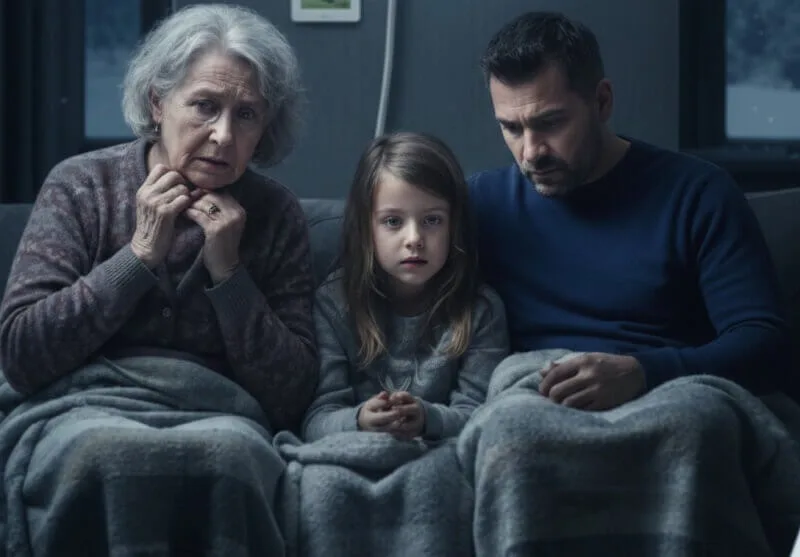
Going without warmth indoors can be stressful. Generally, the temperature within the residences should be above 60 degrees Fahrenheit to protect both the property and health. Cold indoor air can quickly cause the pipes to freeze and burst, leading to extensive water damage and structural issues. To top it off, prolonged exposure to low temperatures can strain walls, floors, and the insulation systems.
Children, seniors, and individuals with health conditions become especially vulnerable as their bodies struggle to maintain their temperature. If the indoors remains cold for extended hours, restoring heat becomes the topmost priority for homeowners.
When to Call for Emergency Furnace Repair in Pottstown
You should seek professional HVAC repair if:
- The furnace will not restart after thermostat and breaker checks
- You smell gas or detect unusual odors
- The system cycles repeatedly without producing heat
- Indoor temperature continues to drop below 60°F
- Carbon monoxide detectors activate
Prolonged furnace shutdown during freezing conditions can lead to frozen plumbing lines and structural stress.
Serving Pottstown and Nearby Montgomery County Areas
Our HVAC services extend throughout Pottstown and surrounding Montgomery County communities, where winter temperature drops frequently stress residential heating systems. Emergency furnace repair during overnight cold snaps is one of the most common winter service calls in this region.
Preventing Future Winter Furnace Breakdowns
Investing in preventive furnace maintenance will help extend the system’s lifespan and enhance the overall efficiency for years to come. Here’s how.
- Strange noises, uneven heating, frequent cycling, and rising electric bills often signal underlying issues with the furnace. Early inspection can help pinpoint these issues before they cause the furnace to shut down completely.
- Professional inspections can catch worn-out components, airflow issues, and safety concerns within the furnace.
- Also, preventive maintenance often includes periodic filter replacement, as it guarantees proper airflow, reduces overheating risks, and keeps the system running efficiently.
Staying Warm and Protected in Pottstown Winters
Furnace failures are a common winter issue in most households in Pottstown. However, the issues leading to this sudden breakdown are manageable with the right action. Acting promptly when heat stops can prevent the water pipes from freezing, keep the indoors warm, and enhance the overall health of both individuals and the property.