

A fall home maintenance checklist should cover your gutters and downspouts, sump pump, furnace, water heater, exposed pipes and — if you’re on a private well—your pressure tank. Most of these take under 30 minutes each, and skipping them is what turns a $150 fall inspection into a $3,000 winter repair.
Fall gives you a narrow window. Once the leaves are down and the first hard freeze hits, a lot of these checks get harder to do and more expensive to fix. The good news: none of this requires a full weekend. Work through the list below, and call in a professional for anything involving your heating system, gas lines, or standing water.
Why Fall Maintenance Matters More in Berks County
Berks County sees the same freeze-thaw swings that crack pipes and drive water into foundations across eastern Pennsylvania — and a lot of the county’s housing stock, especially around Reading, Shillington, and the older boroughs, still runs original galvanized supply lines or aging well systems that weren’t built for today’s usage. That combination means small maintenance gaps show up faster here than in newer-construction markets.
Start With Water: Gutters, Downspouts, and Your Sump Pump
Clogged gutters don’t just overflow — they redirect water straight down your foundation wall. That’s the single most common cause of fall-into-winter basement moisture, and it’s the item most homeowners skip.
Should you clean your own gutters? Think twice.
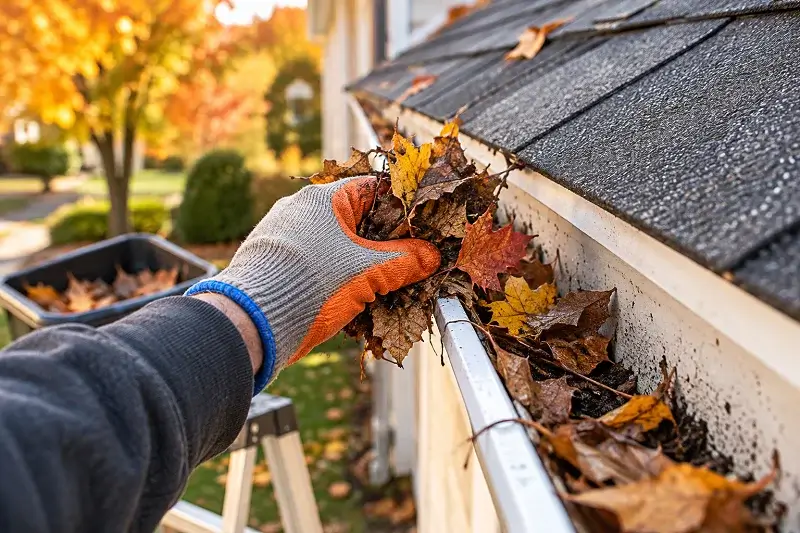
Gutter cleaning is the single most common cause of home ladder falls, and ladder falls send roughly 500,000 people to the emergency room and cause about 300 deaths in the U.S. every year, according to Consumer Product Safety Commission data. If your gutters are single-story and easily reached from a stable ladder, a quick clear-out twice a season is reasonable. Anything higher, steeper or harder to reach safely is worth handing to a gutter or roofing professional — the fall risk isn’t worth the cost of a service call.
The one check every homeowner can safely do: From the ground, run a hose into the top of each downspout and confirm water exits freely at the bottom within a few seconds. A slow trickle or no flow usually means a clog low in the downspout or the buried extension pipe below it — worth a professional look rather than climbing to chase it.
Confirm every downspout discharges at least 3–5 feet from your foundation. If it doesn’t, that water is heading for your basement, not your yard — and that’s where a Berks technician can help: confirming your sump pump is ready to handle what gets through anyway.
Test Your Sump Pump Before the Rain and Snow Arrive
Pour a bucket of water into the sump pit and confirm the float switch triggers, the pump discharges water well away from the foundation, and the discharge line isn’t frozen or blocked. Fall storms and heavy snowmelt are exactly when sump pumps get overworked — testing now, not during the next storm, is what actually prevents a flooded basement. See our full basement flooding and sump pump guide for warning signs a pump is on its way out, and consider a battery backup if your area loses power during storms.
Give Your Furnace a Fall Tune-Up
Replace 1-inch HVAC filters every one to three months, and schedule a professional furnace inspection before you’re relying on heat every day. A neglected furnace doesn’t just cost more to run — it’s more likely to fail on the coldest night of the year, which is also the hardest night to get a same-day repair. See how often a residential HVAC system should be serviced for a full maintenance schedule, or book a heating maintenance visit directly.
Protect Your Water Heater, Well Pump, and Pressure Tank
Sediment settles in your water heater tank year-round, and fall — before you’re relying on consistent hot water through winter — is the right time to flush it. A sediment-heavy tank runs less efficiently and fails sooner. Check signs your water heater needs maintenance before problems start.
If your home is on a private well — common throughout rural and outer Berks County — fall is also the time to have your pressure tank checked. A waterlogged tank or failing bladder puts extra strain on the well pump right as winter temperatures make well problems harder to diagnose and repair. Our guides on maintaining your well pump and signs of a failing pressure tank cover what to check.
Winterize Exterior Faucets and Exposed Pipes
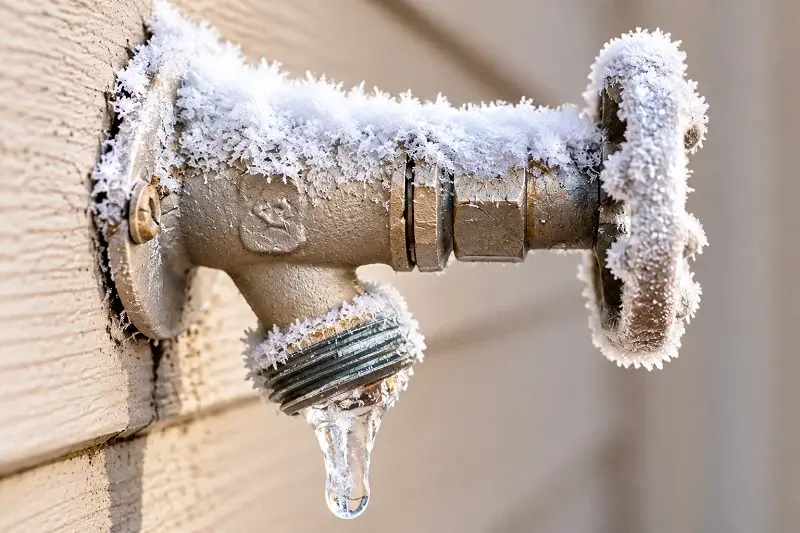
Disconnect and drain garden hoses, shut off the interior valve to outdoor spigots if your home has one and insulate any exposed pipe runs in garages, crawl spaces and under exterior-wall kitchen sinks. Water trapped in a line that freezes has nowhere to go but out — through a cracked pipe. Our 7-step guide to winterizing your plumbing system walks through the full process and freeze-thaw pipe damage in Pennsylvania explains why damage often doesn’t show up until weeks later.
Check Drains and Sewer Lines Before Winter
Tree roots actively seek out sewer lines in fall as trees prepare for dormancy and a partial blockage that’s manageable in September can become a frozen, fully clogged line by January. If drains have been running slow, get a camera inspection now rather than during a holiday gathering. See how tree roots quietly destroy sewer lines for warning signs.
Round Out the Checklist: Safety and Insulation
Test smoke and carbon monoxide detectors and replace batteries — heating season brings a documented rise in CO incidents as furnaces and fireplaces see more use, per the U.S. Fire Administration. Check attic insulation coverage while you’re up there; poor insulation both drives up heating costs and contributes to ice damming along the roofline.
Fall Home Maintenance Checklist
Clear gutters and confirm downspouts discharge 3–5 ft from the foundation
- Test the sump pump and check the discharge line
- Replace HVAC filter and schedule a furnace tune-up
- Flush the water heater tank
- Check pressure tank and well pump (if on a private well)
- Disconnect hoses and winterize exterior faucets
- Insulate exposed pipes in unheated spaces
- Get a drain/sewer camera check if drains run slow
- Test smoke and CO detectors
- Check attic insulation coverage
Frequently Asked Questions
What’s the most overlooked home maintenance task?
The sump pump. Most homeowners remember to check gutters and the furnace but skip testing the sump pump until it fails mid-storm — by then, the basement is already flooding.
What is the cheapest way to prevent leaves from getting in my gutters?
Manually clearing gutters twice a season costs nothing but time — but only make sense to do yourself if the gutters are single-story and easily reached from a stable ladder. Gutter guards reduce frequency but run several hundred dollars installed and still need occasional checks. For anything elevated or hard to reach, a professional cleaning is cheaper than an ER visit.
What are some homeowner tips for fall home maintenance in Berks County?
Prioritize water first — gutters, downspouts, sump pump — since freeze-thaw cycles turn small water-management problems into foundation and pipe damage fast. If your home is on a private well, add the pressure tank to that list; it’s the item national checklists consistently miss.
What’s the “10-item rule” for fall maintenance?
There’s no single official rule but most complete fall checklists converge on the same 8–10 categories: gutters/downspouts, roof, sump pump, HVAC, water heater, exterior plumbing, exposed pipes, drains/sewer, safety devices, and insulation. Covering those puts a home ahead of the vast majority of winter-related repair calls.