
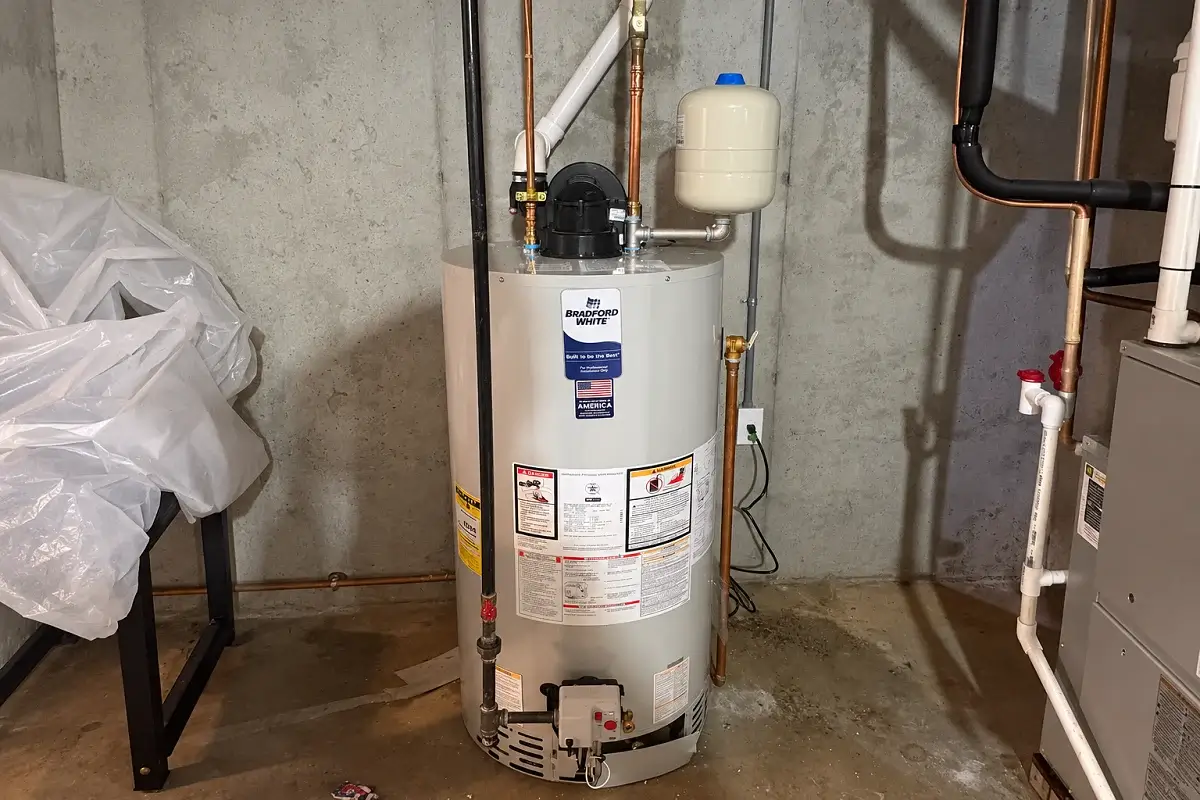

You’re heading down to the basement to grab something, and you hear it. A pop. Then another. Then a low rumble coming from the tank in the corner. If your water heater making noise has you wondering whether it’s about to fail, you’re not alone. It’s one of the most common things homeowners call about.
The good news is that most of these sounds are a warning, not an emergency. But some noises do need attention right away. Here’s how to tell the difference.
Why Does My Water Heater Make Noise?
So, why does my water heater make noise in the first place? In most tank-style water heaters, the answer is sediment.
Water carries minerals like calcium and magnesium. When that water heats up, those minerals settle at the bottom of the tank and form a layer of sediment. Over time, that layer gets thicker and harder.
Here’s what happens next. Water gets trapped under the sediment. When the burner or heating element turns on, that trapped water heats up, boils and pushes up through the crust in bubbles. That’s your noise.
The U.S. Department of Energy’s Pacific Northwest National Laboratory notes that sediment collecting in the tank can coat the heating element and reduce how well it transfers heat. So the noise isn’t just annoying. It also means your water heater is working harder than it should.
Popping Sound From Water Heater
A popping sound from water heater tanks is the classic sign of sediment buildup. Each pop is a steam bubble breaking through the mineral layer.
You’ll usually hear it most when the unit is heating, like after someone takes a long shower or runs the dishwasher. Homes with hard water tend to hear it sooner, because more minerals end up in the tank.
Popping alone doesn’t mean the tank is about to burst. But it does mean sediment is building up, and it’s only going to get worse if nothing is done.
Water Heater Making Rumbling Noise
A water heater making rumbling noise usually points to the same problem, just further along. When the sediment layer gets thick, those small pops turn into a deep rumble or a boiling sound.
At this stage:
- The tank takes longer to heat water
- You may run out of hot water faster
- Energy bills can creep up
- The bottom of the tank is under extra heat stress
That last one matters. Sediment holds heat against the tank’s bottom, which can wear the tank out faster. Left alone long enough, it can contribute to leaks.
Water Heater Crackling Noise
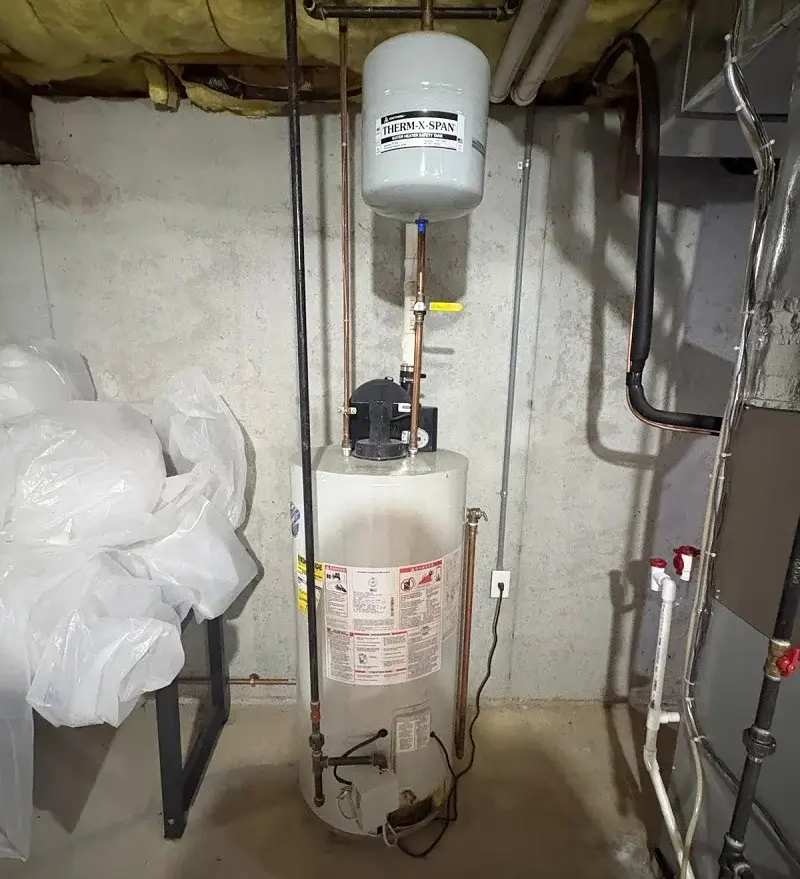
A water heater crackling noise can mean a few different things.
On an electric unit, crackling or sizzling often comes from sediment burning on the heating element. On a gas water heater, it can come from condensation dripping onto the burner. That’s common on cold mornings or after a lot of hot water is used and it’s usually harmless.
But crackling paired with a burning smell, scorch marks or tripped breakers is a different story. Turn the unit off and call a professional.
Water Heater Noise After Shower
Notice a water heater noise after shower time? That timing makes sense. A long shower pulls hot water out and sends cold water in. The water heater kicks on hard to catch up and that’s when sediment pops and rumbles the most.
You might also hear a brief ticking. That’s usually just the pipes expanding and contracting as hot water moves through them. It’s normal.
Gas Water Heater Noise
Most gas water heater noise comes from the same sediment issue. But gas units have a few sounds of their own worth knowing:
- A soft whoosh when the burner lights. Normal.
- Sizzling from condensation hitting the burner. Usually normal.
- Loud banging or roaring from the burner area. Have it checked.
If you ever smell gas, that’s not a noise problem anymore. Leave the house, then call your gas utility or 911 from outside. Don’t flip switches or try to find the leak yourself.
Is a Noisy Water Heater Dangerous?
Usually not right away. But it shouldn’t be ignored.
Popping and rumbling from sediment are mainly a sign of wear, lower efficiency, and a shorter life for the tank. The real danger comes from pressure and heat problems.
That’s why the temperature and pressure (T&P) relief valve matters. It’s the safety valve on the side or top of the tank that releases pressure if things get too hot. If you hear:
- Screeching or whistling near the valve
- Loud banging along with water leaking from the valve
- Hissing combined with water pooling around the tank
Call a professional right away. Don’t plug, cap, or tamper with the T&P valve. Ever.
How to Fix a Noisy Water Heater
The fix usually depends on how bad the sediment is.
Flushing the tank is the standard first step. Draining and flushing removes loose sediment from the bottom. The New Jersey Department of Health’s water heater guidance calls routine draining and flushing essential, noting that sediment buildup makes the water heater work harder.
But here’s a word of caution. If your tank hasn’t been flushed in years, the sediment can be packed hard. Flushing an old, neglected tank can sometimes reveal a leak the sediment was hiding. A professional water heater tune up can handle the flush, check the anode rod, and test the T&P valve all in one visit.
Treating hard water helps stop the problem from coming back. If your home has hard water, a water softener can reduce mineral buildup in the tank.
Replacing the water heater makes sense when the tank is old, leaking, or still rumbling after a proper flush. A qualified water heater installation contractor can help you compare tank and tankless options based on your home’s hot water needs.
When to Call a Professional
Call a water heater repair company if:
- The noise keeps getting louder
- You see rust-colored water or water around the base
- The T&P valve is leaking or noisy
- Hot water runs out much faster than it used to
- You smell gas or see scorch marks
- Flushing didn’t stop the noise
Frequently Asked Questions
Can a water heater explode from sediment?
It’s rare. Explosions are usually tied to a failed T&P valve combined with excessive pressure, not sediment by itself. Still, a noisy tank should be inspected so small problems don’t stack up.
Will flushing stop the popping noise?
Often, yes, if the sediment is still loose. If it’s hardened into a thick crust, flushing may only quiet it a little.
How often should I flush my water heater?
Many manufacturers recommend once a year. Homes with hard water may need it more often. Check your owner’s manual.
Do tankless water heaters make popping noises?
They can make clicking or humming sounds, and scale can build up inside them over time. They need periodic descaling instead of flushing.
Is it normal for a new water heater to make noise?
Light ticking or a burner whoosh is normal. Loud popping in a new unit isn’t typical and may point to a hard water issue or an installation problem.
Should I replace a noisy water heater?
Not automatically. If it’s relatively young and a flush fixes it, repair is fine. If it’s older, leaking, or still rumbling after service, replacement is usually the better investment.
Hearing Strange Noises in Reading or Anywhere in Berks County, PA?
A popping or rumbling water heater is your tank asking for attention. Deal with it early, and you can often avoid a leak or a cold shower. Berks Plumbing & HVAC Specialist helps homeowners in Reading and throughout our Berks County service area with water heater repairs, tune-ups and replacements. Contact us to schedule service.