

Every spring brings melting snow, heavy rain and shifting soil across rural Pennsylvania. For homeowners with private wells, that change can quietly affect water safety.
Many families in Greater Berks County regions wait until water smells strange or turns cloudy before acting. By then, contamination may already be inside the system. That is why spring is one of the most important seasons for proactive testing. Homeowners often search, “How does spring affect private well water quality?” They make queries about why this happens, especially after snowmelt and heavy rain begin soaking the ground.
Areas like Exeter, Birdsboro, Fleetwood, Mohnton, Oley and Bechtelsville have older wells. Thus, changing groundwater conditions make seasonal inspections critical. So for your ease, we are now sharing a proper rural well water safety testing guide.
Why Spring Thaw Creates Well Water Risks
Frozen ground during winter acts like a barrier. Once temperatures rise, the soil softens and water moves quickly underground. That movement can pull contaminants into cracked well casings or poorly sealed systems.
Common spring contamination sources include:
- Septic system overflow
- Farm runoff
- Animal waste
- Fertilizers and pesticides
- Floodwater infiltration
- Sediment disturbance
This is exactly how spring affects private well water quality in many rural Pennsylvania properties.
A family in Fleetwood Borough recently noticed brown water after several days of rain. The issue was traced to sediment intrusion and bacteria entering through an aging well cap. Our team identified the source early and prevented major pump damage. We also did minor well pump repair after the spring ground thaw.
Never Ignore These Spring Problems!
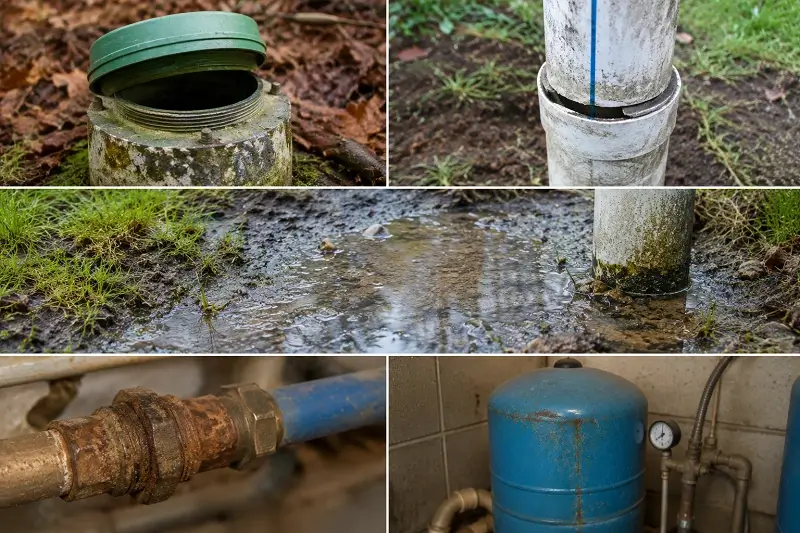
Some contamination issues remain invisible for weeks. Water may still look clean while harmful bacteria or nitrates continue spreading inside the system. Many times, homeowners also overlook small structural problems around the well area, including:
- Loose well caps
- Cracked casing seals
- Pooling groundwater near the well
- Corroded plumbing connections
- Aging pressure tanks
Common Signs Your Well Water Contaminated After Thaw
Spring contamination is not always obvious immediately. Some homeowners continue drinking unsafe water for weeks because symptoms begin slowly.
Watch for these signs of well water contamination after the thaw before summer starts:
- Metallic taste
- Rotten egg odor
- Cloudy water
- Brown or yellow discoloration
- Reduced water pressure
- Sediment in sinks or tubs
- Stomach discomfort after drinking water
One homeowner in Birdsboro Borough assumed the smell in their water would disappear naturally. Testing later revealed bacterial contamination caused by runoff near the wellhead. The repair costs increased because the issue spread into the filtration system. Early testing could have avoided that expense.
Why Rural Pennsylvania Homes Face Higher Contamination Risks
Ignoring seasonal maintenance may seem harmless initially. But contamination spreads fast once groundwater pathways open during thaw. Private wells across Greater Berks County face unique environmental pressures.
Many homes sit near:
- Agricultural runoff zones
- Older septic systems
- Aging well infrastructure
- Flood-prone land
- High mineral groundwater areas
Now that’s a deadly combination! This very fast increase raises spring contamination risks. Homes in Oley and Bechtelsville Borough especially benefit from routine inspections because many properties rely on long-standing private well systems.
What Should You Test Before Summer?
Spring is the ideal time for complete water analysis. Many homeowners only test for bacteria. That is not enough. Some homeowners also want to understand how advanced filtration systems help reduce chemical contaminants like PFAS and what steps they can take to improve drinking water safety.
At BP- HVAC Specialist, we take a full-system approach to help catch hidden problems before summer water demand increases.
1. Coliform Bacteria Test
This checks for bacteria entering through surface contamination. It is one of the most critical spring inspections.
2. Nitrate Testing
Common near farms and fertilized properties. High nitrate levels can become dangerous for infants and elderly residents.
3. pH Balance Testing
Improper pH can damage plumbing fixtures and appliances.
4. Sediment and Turbidity Testing
Spring runoff often increases dirt and mineral intrusion.
5. Iron and Sulfur Testing
These create odors, staining and long-term plumbing damage.
6. Heavy Metal Testing
Older wells sometimes contain lead or arsenic risks.
Chemical contaminants like PFAS are also becoming a growing concern for private well owners in rural areas, especially near industrial zones or runoff-affected properties.
Why Delaying Testing Becomes Expensive
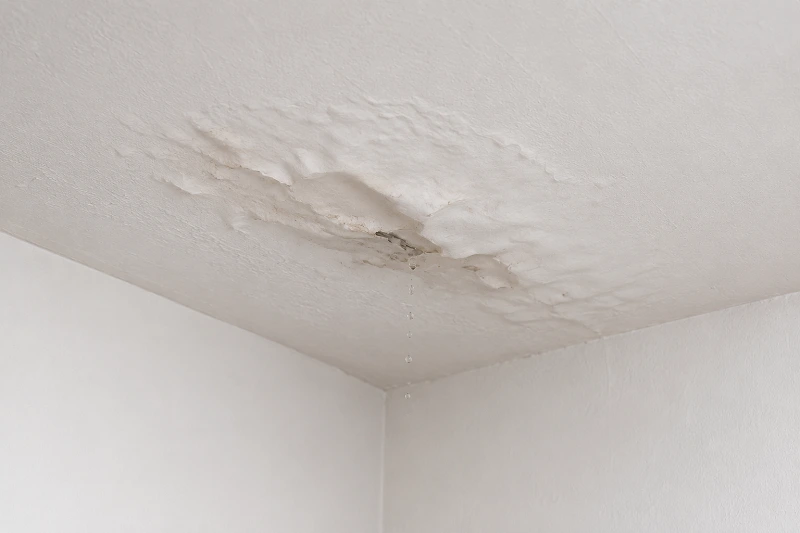
Many rural homeowners wait until visible symptoms appear. That delay creates larger repair bills. Contaminated water can damage water heaters, filtration systems, pipes, faucets, pressure tanks and even your day-to-day appliances.
Bacteria and sediment buildup can also shorten pump lifespan. That is why preventive service matters.
We often help homeowners across the Greater Berks County area to identify hidden well issues before complete system failure happens. In Mohnton Borough, a homeowner reported fluctuating pressure during spring rains. Technicians discovered groundwater infiltration affecting the pressure switch and pump controls. The issue was corrected before the family lost water entirely.
Why Homeowners Across Berks County Trust Berks Plumbing & HVAC Specialists
Rural well systems need experienced professionals. That becomes critical during the spring thaw season. We are trusted across Greater Berks County regions for fast diagnostics, honest recommendations and long-term solutions. We have over 60 years of local experience with Pennsylvania groundwater conditions.
Our team handles complete and all kinds of complete plumbing and HVAC solutions:
- Well pump inspections
- Water quality testing
- Pressure tank repairs
- Sediment troubleshooting
- Emergency plumbing support
- Filtration recommendations
Before leaving, we also teach you – how to maintain your well pump through seasonal changes
How Often Should Well Water Be Tested?
Our experts recommend annual testing at minimum. Spring is often the best time because thaw conditions reveal hidden vulnerabilities. So test how many times a year? The safest answer is once every year. Plus, additional testing after flooding, major storms, repairs or unusual taste and odor changes.
For older wells in rural Pennsylvania, seasonal testing may provide even better protection. Preventive testing costs far less than contamination cleanup. Read here what to know before hiring a well inspection professional.
Protect Your Water Before Summer Demand Increases
Safe water cannot wait. Summer system failures become far more expensive. Small signs of well water contamination after the thaw today can become complete water loss tomorrow. Contact us now for expert testing, fast inspections, reliable repairs and long-term well protection across Greater Berks County regions. Check out our well water services for rural Pennsylvania homes.