
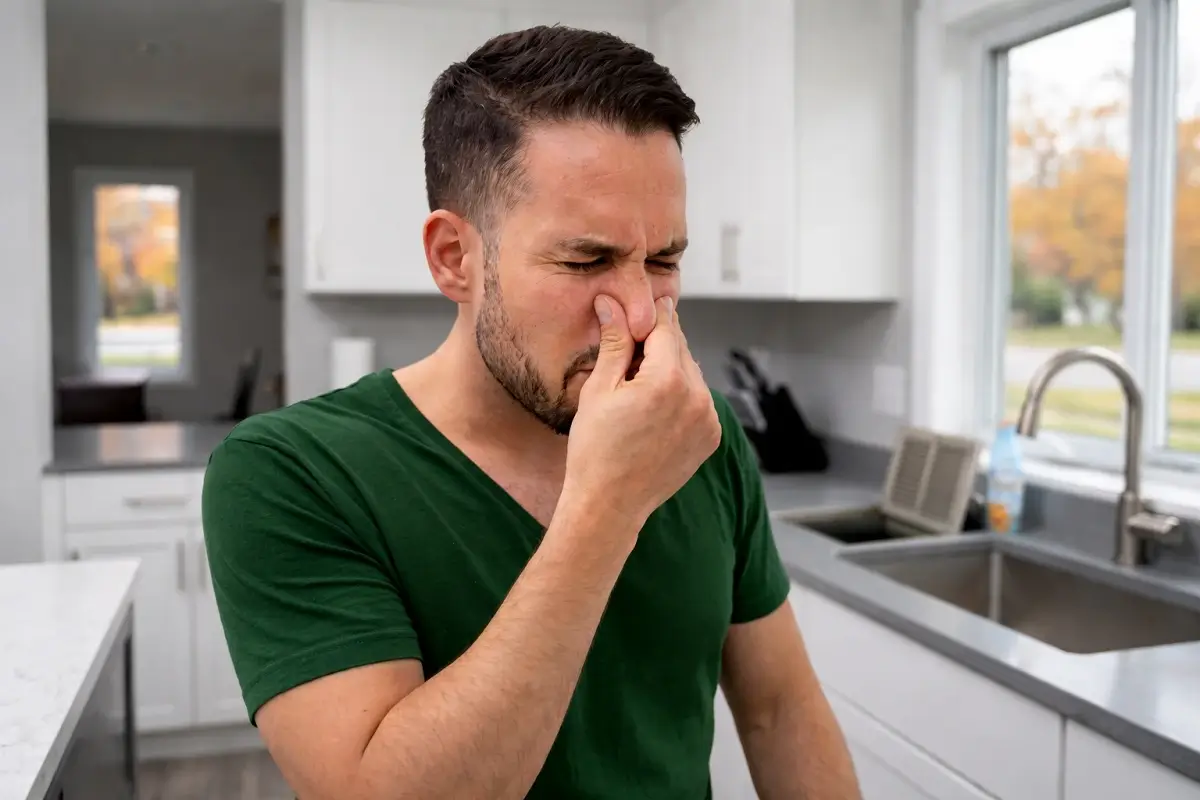

Did you recently notice a sewage smell inside your home? Please, never ignore it even if the sewage smell in the house comes and goes. At times homeowners across Reading, Pottstown, and Berks County mistakenly feel it’s a minor issue, but it’s not.
That odor is due to the sewer gas – a mix of hydrogen sulfide and methane. Hydrogen sulfide creates that rotten egg smell from drains. On the other hand, methane is a highly flammable gas.
But wondering, why are we warning you? “Is the sewer smell in the house dangerous?” Yes, it is, especially when exposure is repeated or prolonged.
What makes this worse in Pennsylvania is the combination of older housing stock, seasonal temperature swings, and aging sewer infrastructure. These factors make homes in the Pennsylvania region more vulnerable to hidden plumbing failures.
Remember, masking the smell with deodorants is a bad idea. It won’t solve the problem. Now we will help you identify the cause early. This will save you from structural damage, health risks and expensive emergency repairs
1. Dried-Out P-Traps – Fastest Fix, Most Ignored Cause
The most common reason a sewage smell in a house comes and goes is a dry P-trap. Every drain is designed to hold water that blocks sewer gases. When that water evaporates, gases enter your home. This happens especially in unused bathrooms or basement drains.
This is often the first reason behind a rotten egg smell from drains in Pennsylvania homes that have guest bathrooms, floor drains, or seasonal usage patterns. What you will notice:
- Smell from one specific drain
- Odor after days or weeks of non-use
- The smell disappears temporarily after running water
- A quick fix is to run water in all unused fixtures for 30–60 seconds.
2. Cracked or Blocked Sewer Vent Pipes – Hidden but Serious
Your plumbing system depends on vent pipes. These are the ones that push sewer gases outside. In Pennsylvania, freezing winters, roof damage, and aging pipes often lead to cracks or blockages. When vents fail, gases reroute back into your home. This causes a persistent rotten egg smell from drains across multiple rooms. What causes a sewage smell inside a home? Look for the alerts below:
- Smell in more than one area
- Gurgling sounds in sinks or toilets
- Odor worsening during weather changes
At this stage, DIY fixes won’t work. You need professional inspection.
3. Partial Sewer Line Blockage – High Risk, Time-Sensitive Problem
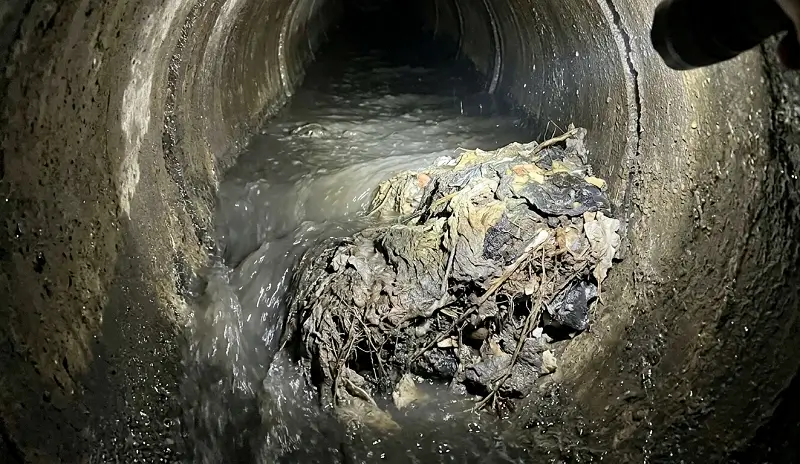
A partially blocked sewer line is one of the most dangerous stages because it builds pressure inside your plumbing system. This often leads to a pattern where the sewage smell in the house comes and goes, especially during heavy water usage. Common causes in Berks County include:
- Tree root intrusion
- Grease and debris buildup
- Pipe scaling in older homes
Look out for slow drains across multiple fixtures and gurgling toilets. Also, see if the smell intensifies after showers or laundry. Blockages can quickly escalate and may demand a full sewage backup or full line change. And this means a manageable issue has turned into a major emergency. It will cost you a lot if the situation is not handled in time.
4. Deteriorating Sewer Lines = Major Repairs if Ignored
Many Pennsylvania homes (especially older properties in Reading and Pottstown) have aging sewer lines. These aged because they were made of clay or cast iron. Over time, joints crack and allow gases to escape.
This is one of the most serious answers to “What causes sewage smell inside a home?” and it often produces a strong, persistent rotten egg smell from drains even when indoor plumbing seems fine. Common red flags are:
- Constant odor throughout the house
- Smell strongest in basement areas
- Unexplained wet or green patches in yard
- No improvement after basic fixes
At this stage, the sewage smell in the house comes and goes and may stop entirely. This now will be replaced by a constant odor. That’s a sign the problem has progressed.
What You Can Check Before Calling a Plumber

Check for these signs your main sewer line is causing the smell:
- Run water in all drains to refill P-traps
- Check if the smell is isolated or throughout the home
- Listen for gurgling sounds
- Note when the smell appears (after water use vs constant)
However, even after some DIY fixes, if you still notice a rotten egg smell from drains, then it’s time to act. Call a professional immediately. The longer you wait, the higher the repair cost, the stronger the exposure risk, and the greater the chance of a full system failure.
Why Professional Diagnosis is the Smart Move
Sewer odor issues are rarely solved with guesswork. Professional plumbers use sewer camera inspections to locate the exact source. They find out fast whether it’s a blockage, crack, or ventilation failure. This is especially critical in Pennsylvania homes where underground damage is common and invisible.
Delaying action can lead to toxic air exposure, mold and moisture issues, structural damage, and the massive requirement of full sewer line unclogging.
According to regional housing data, over 55% of homes in Pennsylvania were built before 1980. This has increased the likelihood of pipe corrosion, vent damage, and sewer line deterioration. Local plumbing service data across Berks County also shows that:
- Sewer line issues spike during freeze-thaw cycles
- Tree root intrusion is one of the top causes of blockages
- A recurring sewage smell in the house that comes and goes is often the first warning sign before major failure
Understanding ‘what causes a sewage smell inside a home’ is important. But more important is fixing it correctly because that is what protects your home and health.
Take Action Before It Turns Into an Emergency
If you are dealing with a sewage smell in the house that comes and goes, don’t wait for it to become constant. And if you are still wondering, “Is sewer smell in the house dangerous?”— the safest decision is to treat it like it is.
For homeowners in Reading, Pottstown, and across Berks County, fast action matters. Get a professional sewer cleanout inspection done today. Call us for a free consultation.