
A clogged main sewer line is one of the most serious plumbing issues a homeowner can face. Unlike a single clogged sink or toilet, a main line clog can affect every drain in your house and even cause raw sewage to back up into your living spaces. Ignoring the warning signs can lead to expensive repairs, property damage, and potential health hazards.
If you live in Berks County areas like Fleetwood, Reading, Wyomissing, or Kutztown—or nearby communities in Lebanon County, West Chester County, Montgomery County, Bucks County, and Lehigh County—knowing the signs of a clogged sewer line can help you act quickly before disaster strikes.
Let’s break down the warning signs, causes, and solutions for main sewer line clogs, along with practical examples to make it easier to understand.
Why Sewer Line Clogs Shouldn’t Be Ignored
When your main sewer line is clogged, wastewater has nowhere to go. That means everything you flush, drain, or pour down your sinks has the potential to come right back up.
Sewer backups and property damage
According to the Insurance Information Institute, the average cost of cleaning up water damage from sewer backups can range between $5,000 and $15,000, depending on the severity. In older homes in Fleetwood, Reading, or Lebanon where clay sewer pipes are still common, clogs and root intrusion are especially frequent.
Health hazards of raw sewage
Backups aren’t just expensive—they’re dangerous. Raw sewage contains bacteria, viruses, and parasites. Exposure can cause illnesses like E. coli or hepatitis. If sewage seeps into your basement or bathroom floors, professional sanitation is required.
Warning Signs of a Clogged Main Sewer Line
While small drain clogs usually affect only one fixture, a main sewer line clog shows up across your entire plumbing system. Watch for these signs:
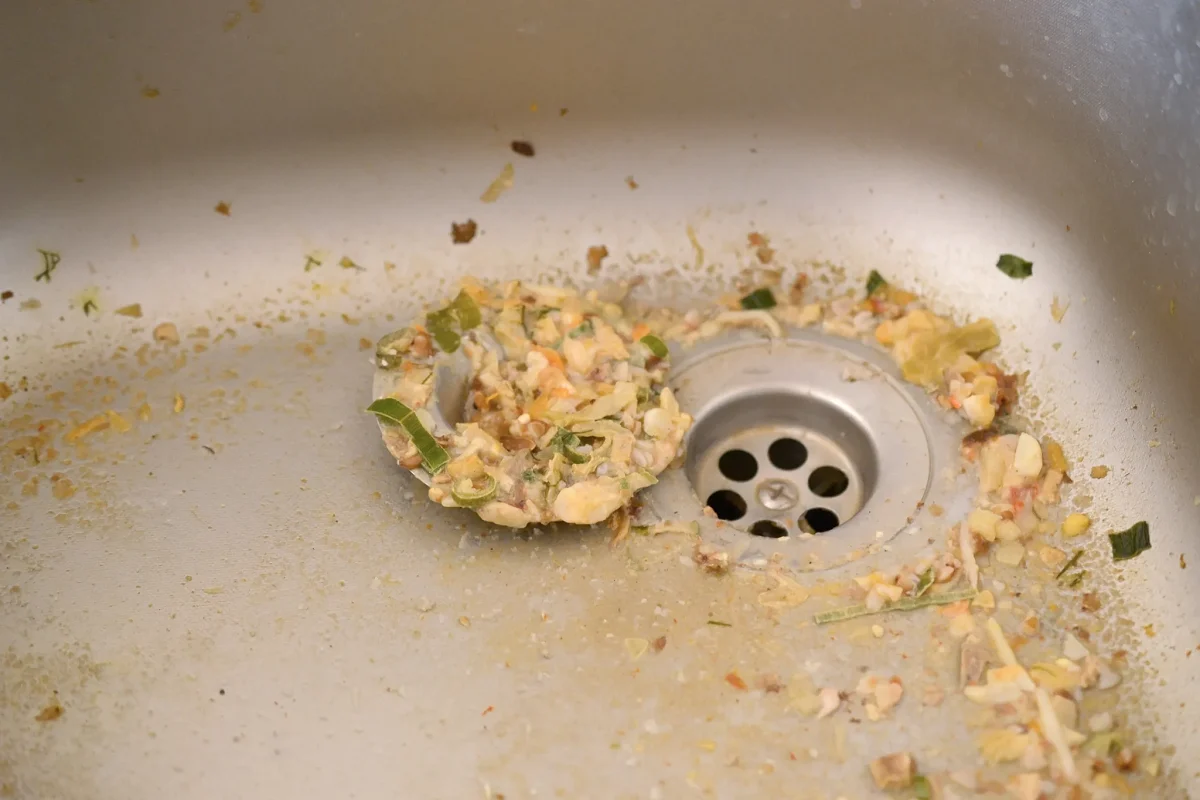
Multiple drains backing up at once
If your kitchen sink, shower, and toilet all start backing up around the same time, it’s a red flag. For example, a homeowner in Pottstown reported that whenever they ran the washing machine, water bubbled up in the basement drain—classic sign of a main line clog.
Gurgling sounds from toilets or sinks
That strange bubbling noise when you flush or drain water? It means trapped air is pushing through wastewater in the pipes. This is often the “early warning” stage before a full blockage.
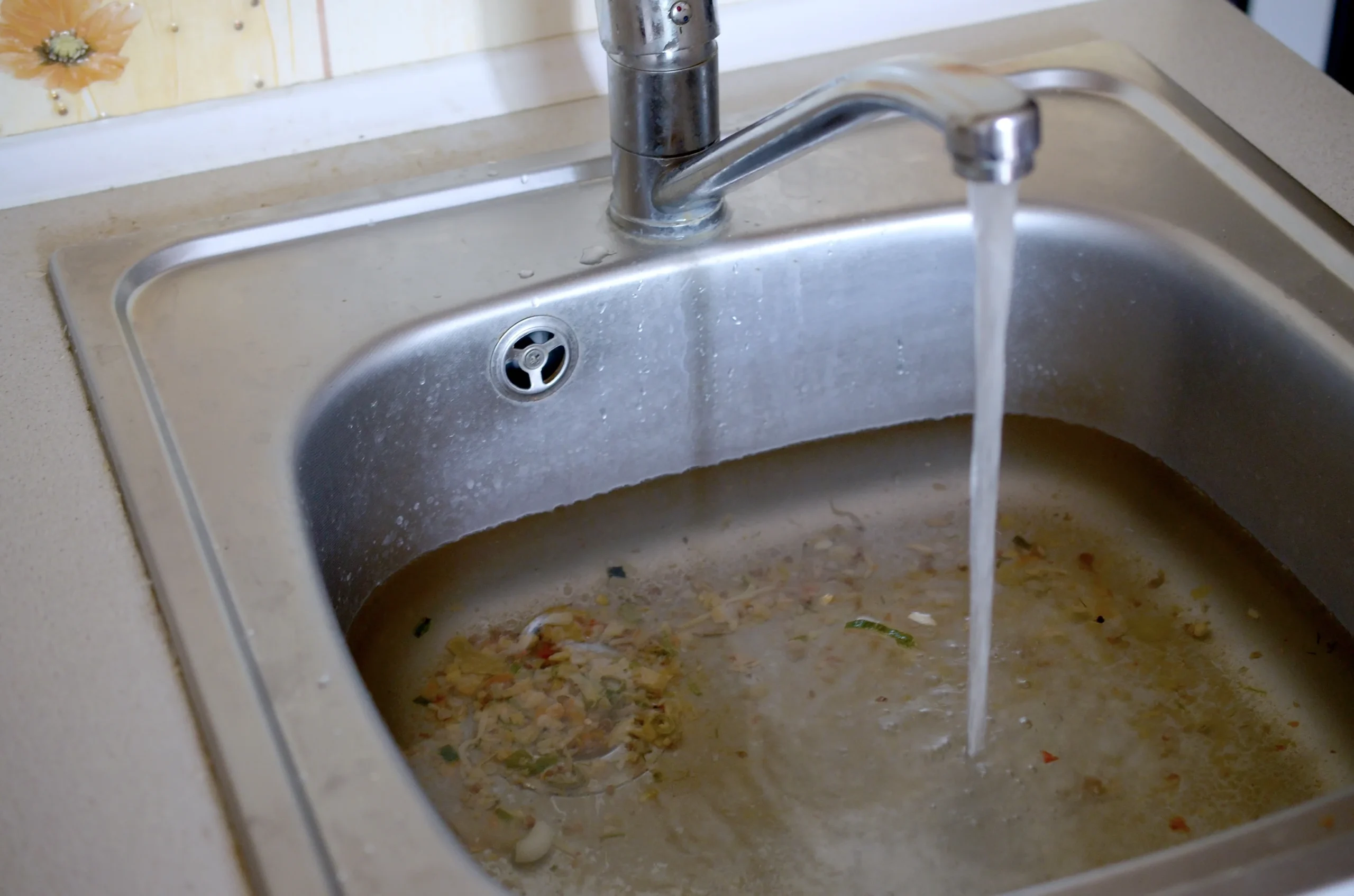
Slow draining throughout the home
One slow sink could just be a hair clog. But if every drain in your house—from the upstairs bathroom to the basement utility sink—drains sluggishly, it’s likely a sewer line problem.
Foul sewer odors indoors or outside
Sewer gases escaping into your home can smell like rotten eggs. Outdoors, you might notice sewage smells near your yard or cleanout. In places like Strausstown or Shoemakersville, where properties have larger yards, foul odors outside may indicate a break or blockage underground.
Common Causes of Sewer Line Clogs
Understanding what causes sewer line clogs can help you prevent them.
Tree root intrusion
Tree roots are the number one cause of sewer line blockages in older neighborhoods like Mohnton and Temple. Roots naturally seek moisture and nutrients and can squeeze into tiny cracks in pipes, eventually growing large enough to block the flow.
Grease and food buildup
Even if you live in newer homes in West Chester County or Exton, grease buildup can be just as damaging. When hot grease cools, it hardens inside pipes, sticking to walls and catching food particles until a full blockage forms.
Flushing non-flushable items
Wipes labeled “flushable” are anything but. Items like wipes, paper towels, hygiene products, and even dental floss don’t break down like toilet paper. In communities like Boyertown or Douglasville, we’ve seen sewer lines clogged almost entirely with wipes.
DIY Checks vs. Professional Inspection
So, what should you do if you suspect a sewer line clog?
What you can check safely
- Check multiple drains: Run water in different areas of your house. If backups happen in multiple spots, the problem is in the main line.
- Locate your cleanout: Most homes in Sinking Spring, Topton, or Morgantown have a sewer cleanout outside. Carefully removing the cap can sometimes release pressure and allow sewage to drain temporarily.
⚠️ Warning: Never try to snake the main sewer line yourself unless you have professional equipment. Household drain snakes are too small for main lines and could damage pipes.
Why professional camera inspection is best
Plumbers in Berks County use video camera inspections to pinpoint exactly where and what the clog is. For example, a homeowner in Gilbertsville saved thousands because a camera inspection revealed just a small tree root section—avoiding a full sewer line replacement.
Sewer Line Cleaning and Repair Options
Once the problem is identified, here are the most effective solutions:
Hydro jetting
This high-pressure water method blasts through grease, sludge, and even tree roots. It’s often the first choice for cleaning main lines in communities like Collegeville or Quakertown.
Trenchless sewer repair
Instead of digging up your yard, trenchless methods like pipe lining or pipe bursting can fix cracked or root-damaged pipes. This is especially valuable in areas like Macungie or Wyomissing, where landscaping or driveways could be costly to replace.
Full sewer line replacement
In extreme cases, replacement may be the only option. According to HomeAdvisor, the national average cost for sewer line replacement is $3,000–$7,000, though in larger properties like those in Lebanon or Annville, it could be higher depending on depth and length of the line.
Real-Life Example:
A family in Reading-Exeter Township called when sewage started backing into their basement laundry room. The cause? Tree roots had invaded 20 feet of their clay sewer line. Instead of digging up the entire yard, trenchless pipe bursting was used to replace the line, saving them both time and thousands of dollars in landscape repairs.
How to Prevent Future Sewer Line Problems
- Never pour grease down the drain.
- Only flush toilet paper—nothing else.
- Schedule an annual sewer line inspection, especially if your home is over 30 years old.
- Install a backwater valve to prevent sewage from flowing back into your home during heavy rains (common in parts of Breinigsville and Palmyra).
Call Berks Plumbing Specialist for Sewer Line Inspections
If you notice the warning signs of a clogged sewer line in Berks County (Fleetwood, Bethel, Reading, Wyomissing, West Lawn, Strausstown, Sinking Spring, Mohnton, Temple, Auburn, New Ringgold, Shoemakersville, Wernerville, Topton, Morgantown, Kutztown, Boyertown, Douglasville, Birdsboro), Lebanon County (Lebanon, Myerstown, Palmyra, Annville), West Chester County (Unionville, Wagontown, Downingtown, Coatesville, Exton), Montgomery County (Collegeville, Pottstown, Perkiomenville, Gilbertsville), Bucks County (Quakertown), or Lehigh County (Breinigsville, Macungie)—don’t wait until it becomes a costly disaster.
At Berks Plumbing Specialist, we use advanced tools like hydro jetting and camera inspections to get to the root of the problem and provide long-lasting solutions.
👉 Call today to schedule a sewer line inspection or cleaning before a small issue becomes a big, messy problem.