

Introduction – Why Septic Pump Systems Matter for Homes Not Connected to Municipal Sewers
If your home in Berks County, Lebanon County, Montgomery County, Bucks County, West Chester County, or Lehigh County isn’t connected to a municipal sewer line, chances are you rely on a septic system. A properly working septic pump is the heart of that system, ensuring wastewater flows safely away from your home.
When a septic pump fails, you may face backups, foul odors, or even costly property damage. According to the Environmental Protection Agency (EPA), one in five U.S. households-over 60 million people-depend on septic systems. In areas like Reading, Fleetwood, Wyomissing, and Lebanon, many homeowners depend on reliable septic and sump pump systems every day.
At Berks Plumbing Specialist, we help homeowners with septic pump repair, septic pump replacement, and septic pump installation across these regions, ensuring your property stays safe, dry, and healthy.
What Is a Septic Pump System?
A septic pump system is a key component of your home’s wastewater management. Unlike traditional gravity-fed septic tanks, which rely on sloping land to move wastewater, a septic pump system uses an electric pump to push wastewater from your home to the septic tank, drain field, or even uphill when gravity isn’t enough.
Think of it this way: your septic pump works like a delivery service. Instead of letting gravity do all the work, the pump actively moves wastewater where it needs to go, ensuring your plumbing runs smoothly.
Why it matters:
- Prevents sewage backups inside the home.
- Ensures wastewater reaches the drain field properly.
- Allows homes on flat or hilly land to have efficient septic systems.
How Does a Septic Pump System Work? – Step-by-Step
Here’s a simple breakdown of how your septic pump system operates:
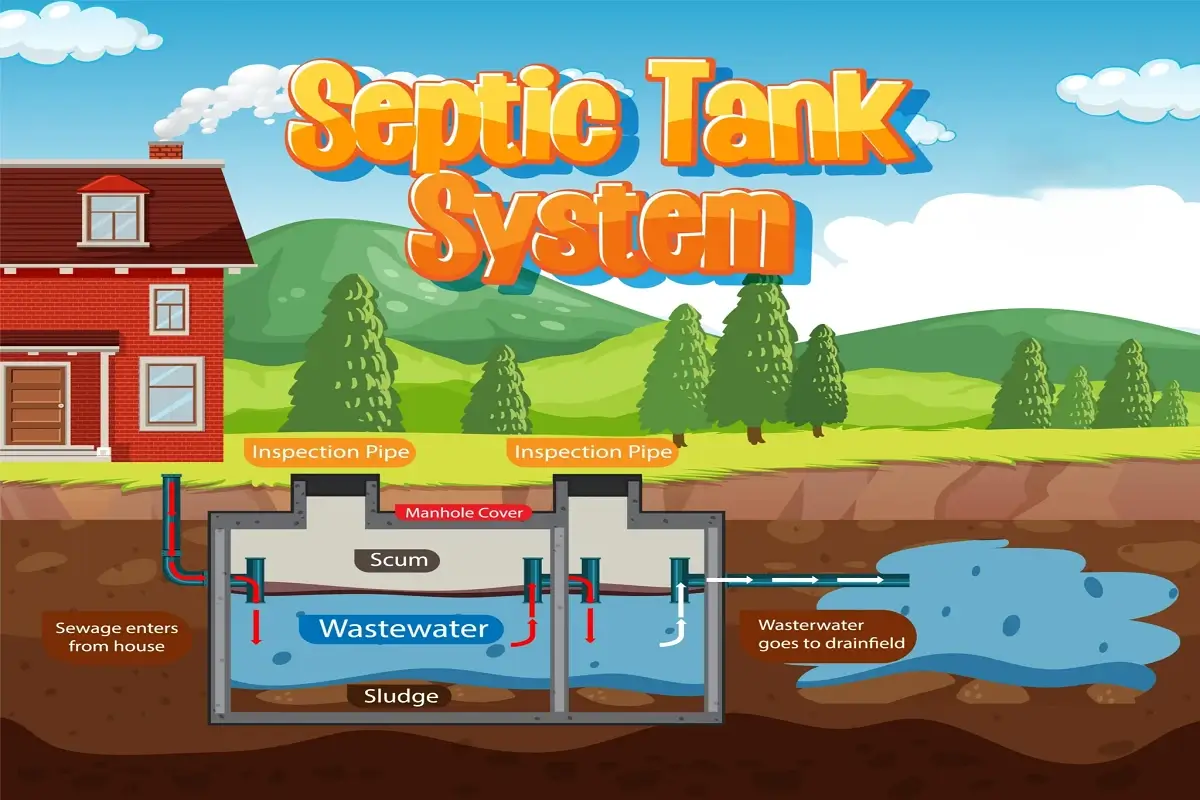
- Wastewater Enters the Tank
Every time you flush a toilet, run a dishwasher, or take a shower, wastewater flows into your septic tank. - Separation of Solids and Liquids
Heavy solids settle at the bottom as sludge, while lighter materials like grease float to the top. The liquid in the middle (called effluent) is what needs to be pumped out. - Pump Activation
When effluent reaches a certain level, the pump kicks on automatically. This prevents overflow and maintains the system’s balance. - Wastewater Movement
The pump pushes the effluent either to the drain field (where it’s naturally filtered through soil) or to another holding tank, depending on your system design. - Shut-Off and Rest
Once the effluent is cleared to the right level, the pump shuts off until the tank fills again.
Example for homeowners in Reading or Wyomissing: If your property is on a slope or low-lying area, your septic pump makes sure wastewater travels uphill into the drain field – something gravity alone cannot achieve.

Types of Septic Pumps
Not all septic pumps are created equal. The right pump depends on your home’s design, wastewater volume, and plumbing needs. Let’s explore the most common types:
1. Sewage Ejector Pumps
- Purpose: Designed to handle wastewater with small amounts of solids.
- How it works: Pumps effluent to the main septic tank or sewer line.
- Best for: Homes with bathrooms or laundry rooms located below the main septic line, such as in a basement in Fleetwood or Kutztown.
2. Grinder Pumps
- Purpose: Break down solid waste into a fine slurry before pumping.
- How it works: A powerful grinder inside the pump grinds up sewage and waste, preventing clogs in the pipe.
- Best for: Homes with smaller pipe systems or long-distance wastewater travel, such as rural properties in Strausstown or Shoemakersville.
3. Sewage Grinder Pumps
- Purpose: A more advanced form of grinder pump that can handle larger waste volumes.
- How it works: Grinds and pumps sewage over longer distances or uphill.
- Best for: Multi-family homes or commercial properties in areas like Reading or Pottstown.
4. Effluent Pumps
- Purpose: Handle only the liquid portion (effluent) of the wastewater.
- How it works: Pumps liquid out of the tank once solids have settled.
- Best for: Standard septic systems where solid waste is contained in the primary tank, common in suburban homes in Exeter or Sinking Spring.
Real-life example: A family in Mohnton with a basement bathroom might need a sewage ejector pump, while a large property in Bethel may rely on a grinder pump to push wastewater uphill to its drain field.

Choosing the Right Pump for Your Property
Selecting the correct septic pump isn’t a one-size-fits-all decision. Here are some quick homeowner tips:
- Assess Your Home’s Layout
- Basement bathrooms? → Consider a sewage ejector pump.
- Steep or uphill property? → Grinder pump may be required.
- Check Your Wastewater Volume
- Large family or high water use in places like Boyertown or Douglasville? → Heavy-duty grinder pumps are more reliable.
- Know Your Budget
- Effluent pumps are more affordable than grinder pumps but aren’t suitable for every home.
- Consider Maintenance Needs
- Grinder pumps require more maintenance than effluent pumps.
- Regular septic pump repair and inspections can extend the life of your system.
👉 Tip: Always consult a local plumbing expert like Berks Plumbing Specialist, who understands the unique soil conditions and plumbing setups in Berks County, Lebanon County, Montgomery County, and beyond.
Conclusion – The Importance of Proper Maintenance
A septic pump system is the unsung hero of your home’s plumbing, quietly keeping your property safe and sanitary. Choosing the right pump – whether it’s an effluent, grinder, or sewage pump – can make all the difference in performance and longevity.
Regular septic pump repair, septic pump replacement, and septic pump installation are critical to avoiding costly breakdowns. For example, a failing pump can cause thousands of dollars in water damage if left unchecked.
At Berks Plumbing Specialist, we proudly serve homeowners across:
- Berks County – Reading, Wyomissing, Exeter, Sinking Spring, Fleetwood, Mohnton, and more.
- Lebanon County – Lebanon, Myerstown, Palmyra, Annville.
- West Chester County – Downingtown, Exton, Coatesville, Wagontown.
- Montgomery County – Pottstown, Collegeville, Gilbertsville, Perkiomenville.
- Bucks County – Quakertown.
- Lehigh County – Macungie, Breinigsville.
Whether you need septic pump installation for a new property in Kutztown, septic pump repair in Reading, or a complete septic pump replacement in Lebanon, our team is here to help.
Call Berks Plumbing Specialist today to schedule your septic pump inspection or repair and keep your home safe from unexpected plumbing disasters.