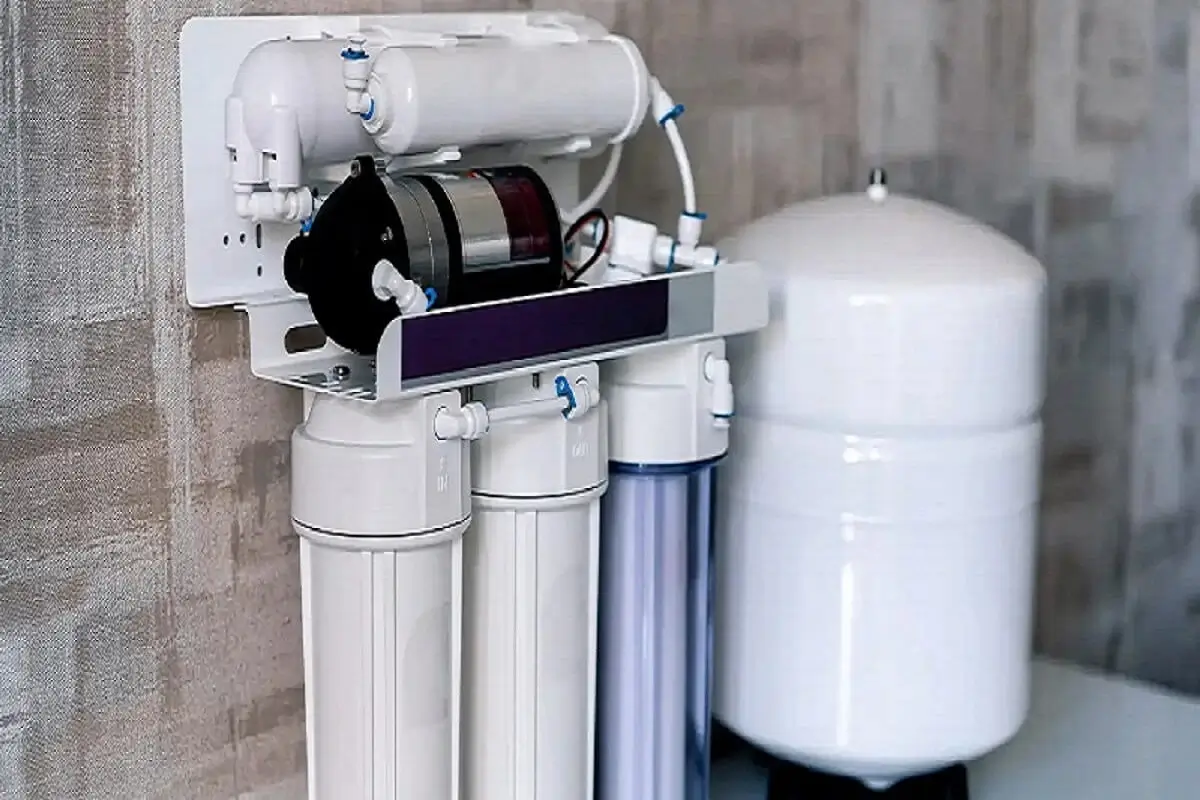

A well-functioning water softener is essential for homes across Eastern Pennsylvania, where hard water minerals like calcium and magnesium are common. Whether you live in Berks County, Reading, Temple, Sinking Spring, Wyomissing, Lebanon, Downingtown, Pottstown, Quakertown, or across Lehigh County, maintaining your water softener ensures clean, soft water that protects your appliances, plumbing, and overall water quality.
Below, we break down easy, practical, and effective maintenance steps that every homeowner should know, along with when it’s best to call the experts at Berks Plumbing & HVAC Specialist.
Why Water Softener Maintenance Matters in Eastern Pennsylvania
Hard water is a widespread issue in the region, especially in areas with well water like Shoemakersville, Bethel, Wernersville, Topton, Morgantown, Kutztown, and Myerstown. Regular maintenance prevents costly repairs and ensures your system continues delivering soft, high-quality water.
Common Hard Water Problems in the Region
Scale Buildup in Plumbing
Hard water minerals settle inside pipes over time, forming scale deposits. This buildup restricts water flow, increases pressure on plumbing systems, and may eventually cause clogs or pipe damage.
Appliance Inefficiency
Water heaters, dishwashers, washing machines, and coffee makers work harder when mineral deposits collect inside them. This reduces efficiency, shortens appliance lifespan, and increases energy consumption.
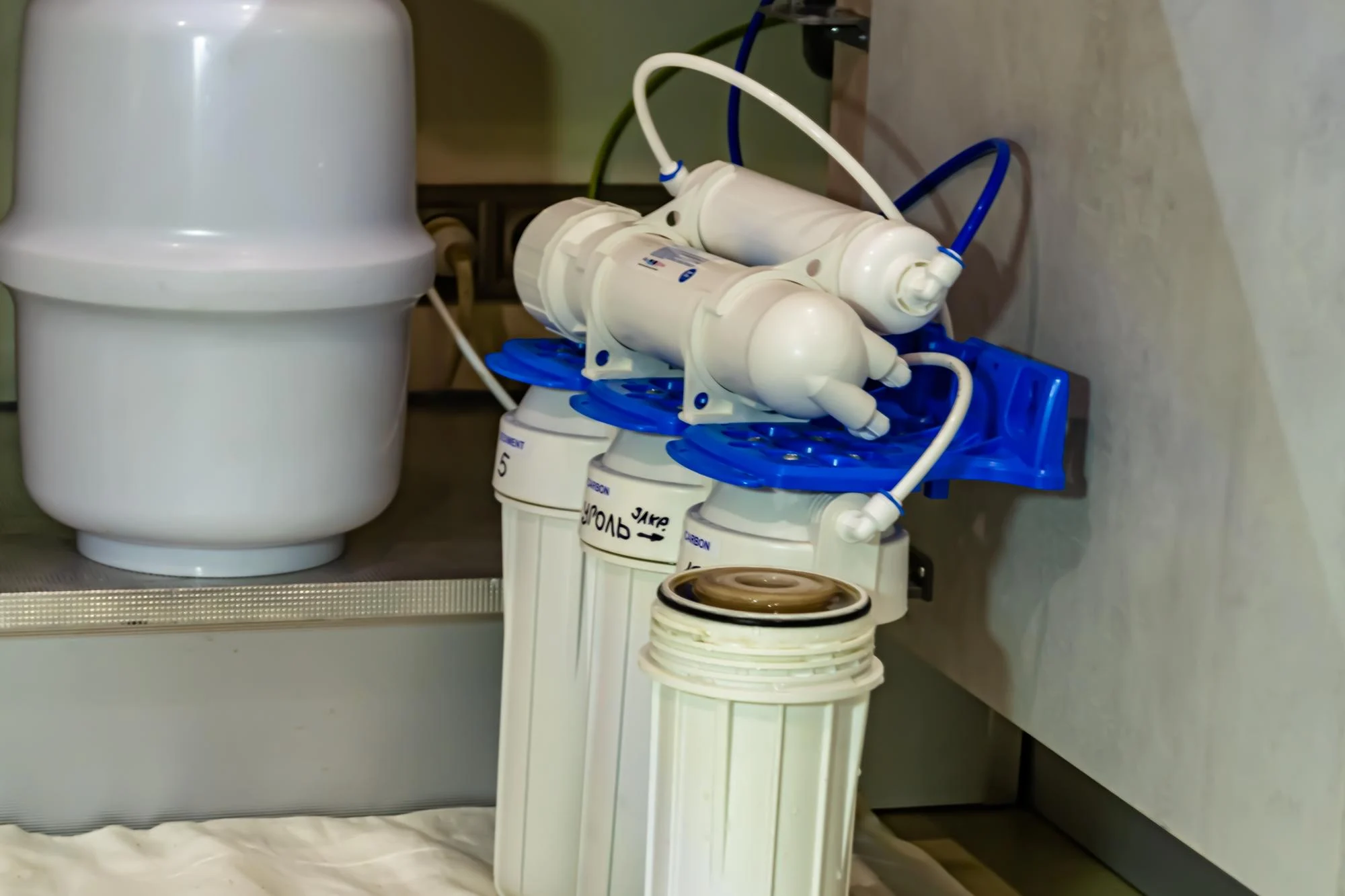
Key Components of a Water Softener System
Understanding how your system works helps you identify problems early and maintain it correctly.
Brine Tank
This is where salt is stored and used to regenerate the resin beads.
Resin Beads
These beads attract and remove hard minerals during the softening process.
Control Valve and Settings
The control valve manages regeneration cycles and overall system operation.
Essential Water Softener Maintenance Tasks
Proper maintenance guarantees smooth performance and prevents breakdowns. Here’s what you should regularly do:
Check and Refill the Salt Level
Salt is the heart of your system’s functionality. Make sure the level never drops below the halfway mark.
Best Salt Types for Optimal Performance
- Evaporated salt pellets – highest purity, best for efficiency
- Solar salt – cost-effective and suitable for mild conditions
- Block salt – best for specific units or larger systems
Clean the Brine Tank
Over time, residue can build up. Tanks should be cleaned every 6–12 months.
Inspect for Salt Bridges or Salt Mush
Salt bridges are hardened crusts that stop salt from reaching water. Break them up manually if you notice poor softening.
Regenerate the System Regularly
Ensure the system regenerates based on your household’s water hardness and usage.
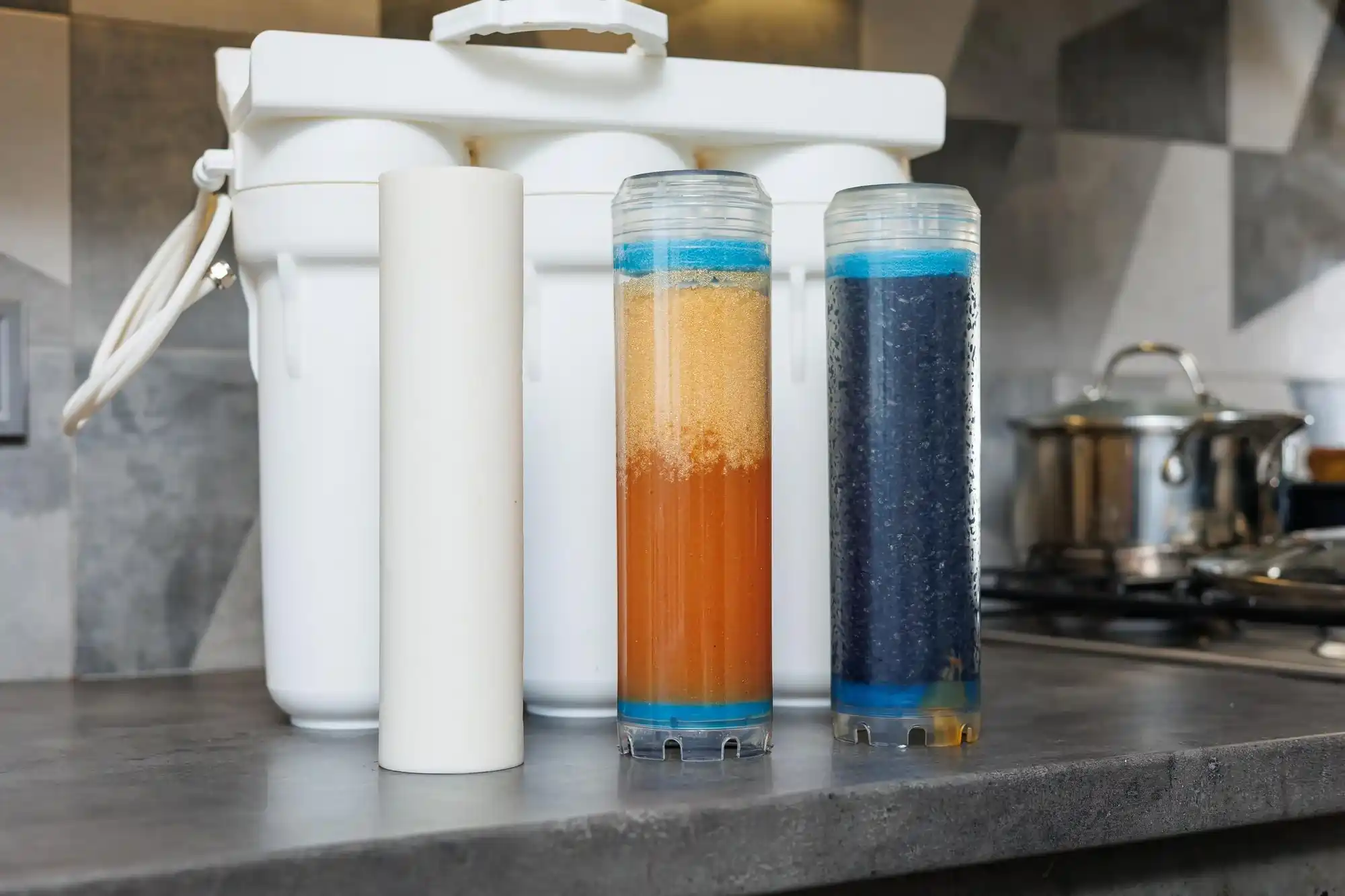
Clean the Resin Bed or Use Resin Cleaners
Resin beads can become coated with iron or minerals. Use resin cleaners or schedule professional deep cleaning when performance drops.
Signs Your Water Softener Needs Attention
Recognizing early warning signs allows homeowners to address problems before they escalate.
- Soap not lathering properly during washing
- Hard water spots appearing on dishes, faucets, or shower doors
- Reduced water pressure throughout the home
- Unusual noises such as grinding or clunking from the system
Common Water Softener Issues and How to Fix Them
Low Salt Levels
Simply refill the salt and ensure the tank is clean.
Clogged Injector or Valves
Mineral buildup here restricts flow. These components may need cleaning or replacement.
Faulty Control Panel Settings
Incorrect regeneration frequency or hardness settings can reduce efficiency; reset based on your area’s water quality.
When to Schedule Professional Water Softener Service
Some maintenance tasks require trained professionals to ensure safety and accuracy.
Annual System Inspections
A yearly inspection helps identify worn components, calibration issues, and early signs of system failure.
Repairs or System Replacement
Older systems or those experiencing repeated issues may require professional repair or replacement to restore reliable performance.
Benefits of Professional Water Softener Maintenance
- Helps prevent major system breakdowns
- Ensures consistent water quality
- Extends the lifespan of plumbing and appliances
- Improves system efficiency
- Identifies hidden issues before they worsen
Areas Served Across Eastern Pennsylvania
Eastern Pennsylvania includes a wide range of communities with varying water conditions. Homes throughout Berks County, Lebanon County, Montgomery County, Bucks County, Chester County, and Lehigh County commonly experience hard water challenges that make routine water softener maintenance essential.
Final Thoughts Keeping Your Water Softener Running Efficiently
Regular water softener maintenance is key to maintaining clean, soft water and protecting household plumbing systems from mineral damage. By understanding common hard water problems, performing routine upkeep, and addressing warning signs early, homeowners can avoid costly repairs and improve overall water efficiency.
Staying proactive with maintenance ensures long-term performance and helps keep water systems running smoothly throughout Eastern Pennsylvania.